Where to Go on a Long Layover: Quick Airport-Escape Itineraries and Transport Tips
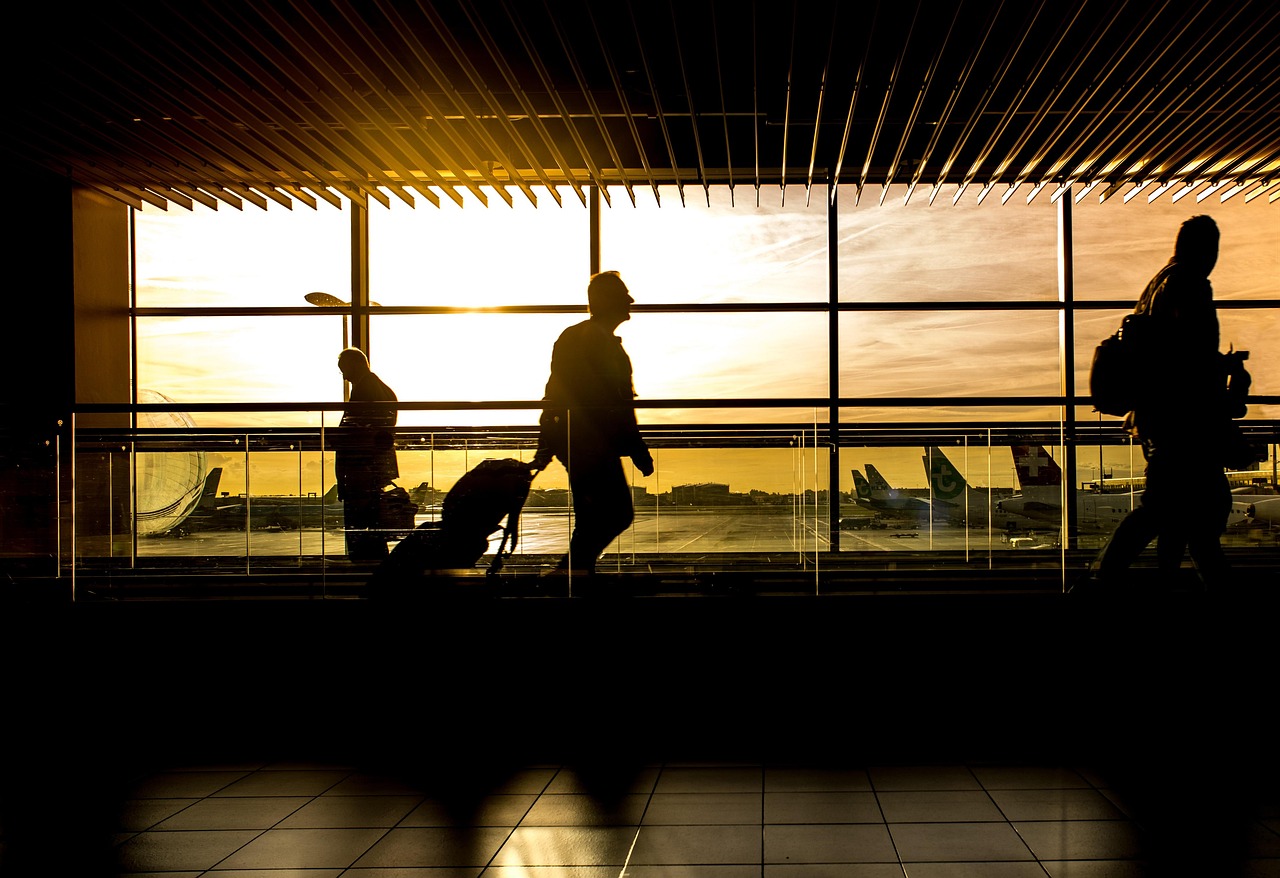
Hong Kong International Airport handled 45.4 million passengers in 2024, according to the Airport Authority’s annual traffic report, a figure that continues climbing toward pre-pandemic levels. For anyone flying CX or any of the 120-plus airlines serving HKG, that statistic translates into a familiar reality: you are going to face a layover. The old reflex was to stay airside, find a lounge with a shower, and wait it out. But in 2025, a quiet shift is underway. Several major transit hubs—Changi, Incheon, Haneda, even Dubai—have spent the post-pandemic years rethinking their 24-hour visa-free transit programmes. South Korea’s “Stopover K-ETA” pilot, launched in late 2024, now allows certain nationalities a 72-hour visa-free window to exit Incheon. Japan’s “Shore Pass” at Haneda and Narita has become easier to secure for same-day connections. And Air China, as of January 2025, has formalised a free transit hotel programme at Beijing Capital for layovers over six hours. The calculus has changed. A four-hour wait used to be a chore. Now, a nine-hour connection can be a genuine city break—if you know where to go, how to get there, and what to do when time is your scarcest resource.
The Golden Window: Six to Ten Hours
A six-hour layover is the sweet spot. It gives you roughly three usable hours on the ground after clearing immigration, transiting to the city, and returning through security. The key is to pick a destination that puts the airport within 30 minutes of something worth seeing.
Incheon to Seoul: The Express Train Bet
Incheon Airport’s AREX Express train reaches Seoul Station in 43 minutes. That’s fast enough to hit Gwanghwamun Square, grab a bowl of kalguksu at a myeonok near Jongno, and be back at the gate with 20 minutes to spare. The trick is to use the AREX non-stop service (HKD 80 one-way for a standard ticket, payable by T-money card) rather than the all-stop commuter train, which adds 15 minutes. Exit the airport through Terminal 1’s underground connector—follow the blue “AREX Express” signs, not the orange “All Stop” signs. Once at Seoul Station, take Exit 7 and walk north. You’ll hit the Cheonggyecheon stream in five minutes. The water is clean, the banks are lined with office workers eating lunch, and the contrast between the 1970s elevated highway that used to sit here and the restored stream is the kind of urban detail Hong Kong’s flyovers will never offer. Don’t try for Myeongdong or Hongdae. You don’t have time. Stick to the historic core.
Changi to Tiong Bahru: The Neighbourhood Hit
Changi’s Jewel is beautiful, but it’s a mall. If you have six hours, skip the indoor waterfall and take the MRT to Tiong Bahru. The ride from Changi Airport MRT station (CG1) to Tiong Bahru (EW17) takes 35 minutes on the East-West Line, with one change at Tanah Merah. Total fare: SGD 2.10—roughly HKD 12. Tiong Bahru Market’s hawker centre on the second floor serves chwee kueh (steamed rice cakes with preserved radish) that tastes nothing like the versions in Hong Kong. The texture is softer, the chilli sharper. Order from the stall with the longest queue—usually Jian Bo Shui Kueh. After eating, walk the pre-war Art Deco lanes around Eng Hoon Street. The low-rise flats, curved balconies, and shophouse bakeries feel like a time capsule from the 1950s, a counterpoint to the glass towers of Raffles Place. You can be back at Changi’s gate in four hours from leaving the hawker centre. That includes the MRT back and security screening, which at Changi rarely takes more than 10 minutes.
The Full Immersion: Twelve to Twenty-Four Hours
A twelve-hour layover changes the game. You can now eat a proper meal, visit one museum or neighbourhood, and still have time to shower before boarding. This is where the transit hotel programmes become relevant.
Haneda to Central Tokyo: The Shore Pass Route
Haneda Airport is 20 minutes by monorail from Hamamatsucho Station. That is faster than the Airport Express from Central to HKG. If you are connecting between two international flights on the same calendar day, Japan’s Shore Pass (a same-day transit visa issued at immigration) allows you to leave the airport for up to 72 hours. The catch: you must hold a confirmed onward ticket, and the immigration officer must approve the pass. In practice, it is routine for passengers arriving from North America connecting to Southeast Asia, or vice versa. Once through, take the Tokyo Monorail (HKD 45, 15 minutes) to Hamamatsucho, then transfer to the Yamanote Line for Shibuya or Shinjuku. For a 12-hour window, skip Shibuya Crossing. Instead, head to Yanaka, the old shitamachi neighbourhood that survived the 1923 earthquake and the 1945 firebombing. From Nippori Station (Yamanote Line, 25 minutes from Hamamatsucho), Yanaka Ginza shopping street is a five-minute walk. The street smells like grilled senbei and incense from the nearby Tennoji temple. The area is residential, low-rise, and quiet. You can walk the entire neighbourhood in two hours, stop for a bowl of soba at a counter that seats eight, and be back at Haneda with three hours to spare.
Dubai to Old Dubai: The Metro Gamble
Dubai International’s Red Line metro reaches Al Fahidi station in 25 minutes from Terminal 1. The fare is AED 6.50 (HKD 14) with a Nol card, which you can buy at the station. The Al Fahidi Historical Neighbourhood is a five-minute walk from the station exit. The wind-tower houses, narrow alleys, and courtyard museums are a direct rebuttal to the city’s reputation for glass and gold. The Dubai Museum inside Al Fahidi Fort costs AED 3 (HKD 6). It is small, dusty, and fascinating—the dioramas of pearl-diving and pre-oil life are genuinely informative. After the museum, take an abra (traditional boat) across Dubai Creek for AED 1 (HKD 2). The ride takes two minutes. The Deira side has the Gold Souk and Spice Souk, but both are tourist traps. Skip them. Instead, walk along the creek’s edge toward the Al Shindagha Museum, which covers Dubai’s maritime history. The whole excursion—metro, museum, abra, walk—takes four to five hours. You will need at least one hour to return through Dubai’s security, which can be slow. Budget for it.
The Maximum Stop: Twenty-Four to Seventy-Two Hours
If your layover stretches past 24 hours, you are no longer on a stopover—you are on a short trip. The question shifts from “can I see something?” to “where should I sleep and what should I prioritise?”
Beijing Capital: The Free Hotel Programme
Air China’s “Transit Hotel” programme, formalised in January 2025, offers a free hotel room at Beijing Capital for passengers with connecting flights between six and 24 hours. The hotel is the Langham Place Beijing Capital Airport, a four-star property connected to Terminal 3 by a covered walkway. The room includes a bed, a shower, and breakfast. That is it—no view, no character, but a solid eight hours of sleep. The programme applies to Air China, Shenzhen Airlines, and Shandong Airlines tickets. You must book it at least 24 hours before departure through Air China’s customer service or your travel agent. Once rested, take the Airport Express to Dongzhimen (25 minutes, HKD 25) and transfer to Line 2 for Qianmen. From Qianmen, walk south through the hutongs around Dashilan. The area is touristy but the architecture is real—Qing-dynasty courtyard houses, some converted into cafes. The Beijing Planning Exhibition Hall, a short walk from Qianmen, has a massive scale model of the city that shows exactly how the hutongs sit inside the ring roads. Entry is HKD 30. The whole trip—hotel sleep, metro, museum, hutong walk, return—fits easily into a 24-hour window.
Incheon to Seoul: The Full 72-Hour Itinerary
With 72 hours, you can do Seoul properly. The K-ETA visa waiver, as of late 2024, allows citizens of 22 countries (including Hong Kong SAR passport holders) to enter South Korea for up to 90 days without a visa. The application costs KRW 10,000 (HKD 58) and takes minutes online. Once through Incheon, take the AREX to Hongik University Station (45 minutes, HKD 45). Stay in a guesthouse in the Hongdae area—the L7 Hongdae by Lotte is reliable, with rooms from HKD 600 per night. Day one: Gyeongbokgung Palace in the morning (rent a hanbok at the station exit for HKD 80, entry is free if you wear one), Bukchon Hanok Village in the afternoon, and dinner in Insadong. Day two: hike Bukhansan National Park (the Baegundae peak is a three-hour round trip, and the view over Seoul is worth the sweat), then samgyeopsal in Jongno. Day three: the National Museum of Korea (free entry, the Goryeo celadon collection is world-class), then the airport. The total cost for three days—transport, accommodation, food, attractions—is roughly HKD 2,500 per person. That is less than a business-class upgrade on a single leg.
Practical Transit Tips for the Time-Pressed
Immigration and Security Timing
The single biggest variable is immigration wait time. Incheon’s automated gates (Smart Entry Service) cut the process to under five minutes for registered travellers. Hong Kong SAR passport holders can register at the airport on arrival. At Haneda, the Shore Pass process adds 10 to 15 minutes at immigration. At Dubai, the e-gate system works for registered travellers but the manual lanes can take 30 minutes during peak hours (arrivals between 6am and 9am, and 5pm to 8pm). Always check the airport’s live wait-time page before deciding to leave. Changi publishes real-time immigration wait times on its app. Incheon does the same on its website.
What to Carry
Pack light. A backpack or small daypack is all you need. Leave checked luggage in a left-luggage facility at the airport—Changi’s left-luggage counters (Terminal 1 and 3, HKD 50 per day) and Incheon’s “Safe Storage” lockers (KRW 5,000 for 24 hours) are reliable. Do not bring a suitcase you have to drag through a subway station. Wear shoes you can walk in for four hours. Bring a portable charger. Carry a printed copy of your onward boarding pass and visa documents, even if you have them on your phone—airport Wi-Fi is not always fast enough to pull up a PDF.
The Shower Factor
A shower before a long-haul flight changes everything. Changi’s Ambassador Transit Lounges (Terminal 1 and 3) have shower rooms for HKD 120 per person, no lounge membership required. Incheon’s “Nap Zone” in Terminal 1 has pay-per-use showers for KRW 10,000 (HKD 58). Haneda’s “TIAT Lounge” in Terminal 3 offers showers for JPY 1,000 (HKD 52) with a towel included. If you are on a CX ticket and hold Marco Polo Club Gold status, the Wing or the Pier at HKG are fine, but the transit lounges at these hubs are often better—cleaner, quieter, with fewer people.
Three Takeaways
- For a six-hour layover, pick a single neighbourhood within 30 minutes of the airport—Tiong Bahru in Singapore, Yanaka in Tokyo, or Gwanghwamun in Seoul—and commit to it rather than trying to see the whole city.
- Register for Smart Entry Service at Incheon and Changi before you travel; the automated gates cut immigration from 30 minutes to under five, which is the difference between a usable stopover and a stressful one.
- If your layover exceeds 24 hours and you are flying Air China through Beijing Capital, book the free Langham Place transit hotel at least 24 hours in advance through customer service—it is the best value stopover deal in Asia right now.