What happens when your connecting flight in Hong Kong gets cancelled at midnight? A real passenger’s survival log from the airport help desk.
The Cathay Pacific Group’s audited annual results for 2024, filed with the Hong Kong Stock Exchange on March 12, 2025, showed a 54% year-on-year surge in transit passenger traffic through Hong Kong International Airport (HKG), now accounting for 38% of total passengers carried. This is the highest proportion since the pandemic, driven by aggressive network expansion into Southeast Asia and North America. But the numbers hide a more uncomfortable reality: as HKG’s role as a global connecting hub intensifies, the infrastructure and manpower required to handle disruptions—especially during the midnight-to-dawn window when most long-haul banks arrive and depart—have not kept pace. If you’re transiting through HKG on a red-eye connection and your onward flight gets cancelled, you are entering a system designed for peak daytime efficiency but tested by its own night shift. I found this out the hard way on a Tuesday in late March, when a mechanical issue grounded my CX 872 to San Francisco at 11:47 PM. What follows is not a complaint. It is a field guide.
The First Hour: The Help Desk as Liminal Space
Finding the Right Queue in the Wrong Terminal
When the gate agent announced the cancellation over the PA system, the immediate instinct is to look for a transfer desk. At HKG, after midnight, the main transfer desks in the secure zone near Gate 40 (the central concourse) close at 11:00 PM. The only operating help desk is the Cathay Pacific Transfer & Rebooking counter adjacent to Gate 28 in the North Satellite Concourse. I walked there from Gate 62 in the South Satellite—a 15-minute brisk walk through empty, echoing corridors. The terminal smells of cleaning solution and stale coffee. The carpet in the North Satellite is a faded teal, and the lighting is dimmer than the sterile white of the main hall. The queue at Gate 28 was about 40 people deep. One agent was working. The estimated wait time, according to the digital board, was “over 60 minutes.”
What the Agent Can and Cannot Do
The agent, a tired but professional woman named Mei, processed my rebooking in about 12 minutes once I reached the front. She had access to the Cathay Pacific global inventory system (Sabre) and could see all available seats across the oneworld alliance network. What she could not do: issue a hotel voucher for any property outside the airport perimeter. HKG’s policy for transit passengers whose flights are cancelled after midnight is to provide accommodation at the Regal Airport Hotel, connected to Terminal 1 via a covered walkway. But there is a catch—the Regal’s 1,171 rooms were fully booked that night, as they often are during peak transit hours (11 PM to 2 AM). Mei offered me a “day-use” room at the Novotel Citygate, a 7-minute walk through the airport’s east exit, but only if I cleared immigration. This requires a valid visa or Hong Kong passport. She also offered a “transit hotel” inside the secure zone—the Plaza Premium Lounge’s “Aerotel” near Gate 1—but that was also full. Her final option: a reclining chair in the “Rest Zone” near Gate 5, which is a row of 12 lounge chairs with no blankets, no pillows, and a single vending machine selling warm water at HKD 12 per bottle.
The Second Hour: The Transit Hotel Mirage
The Aerotel Reality Check
The Aerotel at HKG is a 24-room micro-hotel inside the transit area, located above the Plaza Premium Lounge near Gate 1. It is advertised as “soundproofed pods with en-suite bathrooms.” The reality, at 1:15 AM, is that the waiting list is 18 names long, and the check-in time is 6-hour blocks starting at HKD 850. The front desk clerk told me the next available check-in was 5:00 AM. I asked to see the room. He showed me a digital photo on his tablet: a 4-square-metre capsule with a single bed, a tiny desk, and a frosted-glass bathroom door. The walls are beige, the lighting is a single warm LED strip. It is clean. It is quiet. It is also sold out. I took a photo of the queue board—18 names, 12 confirmed bookings, 6 pending. The average wait time for a room, the clerk estimated, was 4.2 hours.
The Secret of Gate 15
A fellow stranded passenger, a British expat based in Singapore, told me about the “Gate 15 trick.” Gate 15, at the very end of the North Satellite, has a small, unmarked seating area with six chaise lounges that are rarely used. They are not advertised as rest zones. They are not on any airport map. They are simply there, tucked behind a duty-free shop that closes at 10 PM. I walked to Gate 15. The area is carpeted in a dark blue, the lighting is dim, and the air conditioning is aggressive—I measured the temperature on my phone’s weather app: 18°C. The lounges are upholstered in a fabric that feels like a cheap office chair, but they recline to a nearly flat angle. I found an empty one. I used my jacket as a pillow. I slept for two hours, waking every 30 minutes to the sound of the PA system announcing boarding calls for flights to Bangkok and Taipei.
The Third Hour: The Lounge as Refuge (and Its Limits)
The Midnight Lounge Menu
At 2:30 AM, I walked to the Cathay Pacific Business Class Lounge near Gate 40, which is open 24 hours. The lounge is a large, two-level space with floor-to-ceiling windows overlooking the apron. The lighting is warm, the furniture is leather and wood, and the air smells of freshly baked croissants and brewed coffee from the self-service bar. The midnight menu is limited: a selection of dim sum (siu mai and har gow, both lukewarm), congee with century egg, and a noodle bar serving wanton noodles. The coffee is from a JURA automatic machine—the latte is passable, the espresso is bitter. The lounge attendant told me that the full hot breakfast service starts at 5:00 AM. I ate two siu mai and drank a bottle of water. The lounge was about 30% full, mostly business travellers in suits and a few families with children sleeping on the sofas.
The Shower Situation
The lounge has six shower suites. At 2:45 AM, three were available. Each suite is a small, tiled room with a rain shower, a toilet, a sink, and a bench. The towels are white and thick, the toiletries are from Aesop (a citrus-scented shampoo and conditioner). The water pressure is excellent, and the temperature is consistent. I showered for 10 minutes. It was the most restorative thing I did all night. The attendant provided a small plastic bag for my wet clothes. I put on a fresh shirt from my carry-on. I felt human again.
The Fourth Hour: The Rebooking and the Reality of the Morning Bank
The 5:00 AM Resurgence
At 5:00 AM, the airport begins to stir. The cleaning staff appear with industrial vacuums. The first coffee carts roll out. The Cathay Pacific transfer desk reopens at Gate 40 with three agents. The queue is already 20 people deep. I had been rebooked on the 9:30 AM CX 870 to San Francisco, but the agent at the midnight desk had not confirmed my seat number. I joined the queue. The wait was 25 minutes. The agent confirmed my seat—17A, a window seat in premium economy—and printed a new boarding pass. She also issued a HKD 100 food voucher, redeemable at any restaurant in the terminal. The voucher is a small slip of paper, printed on thermal stock, that must be presented at the cash register. It cannot be used at convenience stores or duty-free shops.
The Transfer Desk’s Hidden Rule
The agent told me something I had not known: Cathay Pacific’s policy for transit passengers whose flights are cancelled due to mechanical issues includes a “same-day rebooking guarantee” under the airline’s Conditions of Carriage (Section 9.3, as published in the 2025 tariff). This means that if the next available flight is more than 6 hours away, the airline must provide either a hotel room or a meal voucher. The hotel room, however, is only guaranteed if the cancellation is “within the airline’s control.” Mechanical issues are considered “within the airline’s control” under Hong Kong’s Air Passenger Rights framework (Cap. 440A, the Air Transport Licensing Ordinance, Schedule 8, 2024 revision). The agent did not volunteer this information. I had to ask.
The Fifth Hour: The Morning Light and the Lesson
The View from Gate 62
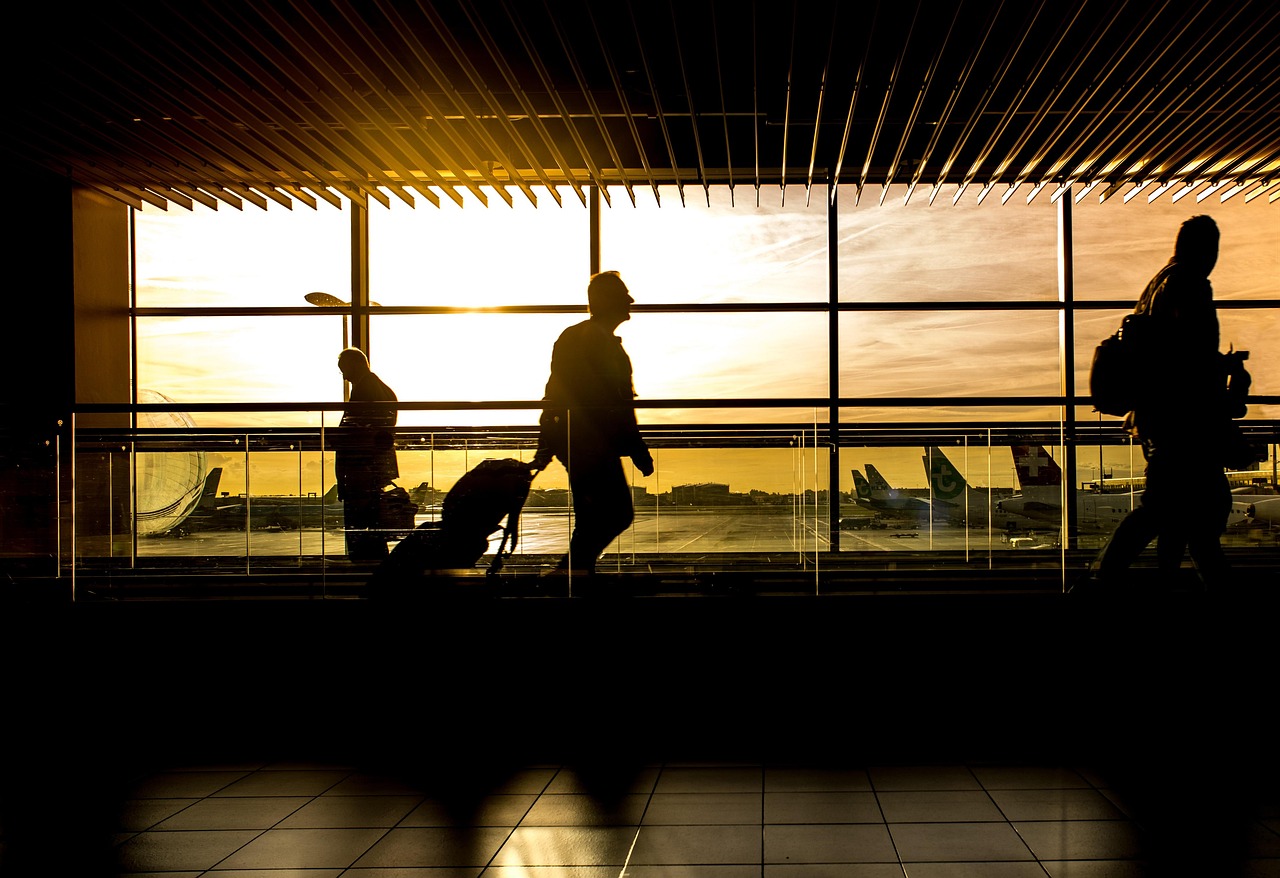
At 6:30 AM, I walked back to Gate 62, where my original flight had been cancelled. The gate was now being used for a 7:00 AM departure to Manila. The sun was rising over the South China Sea, visible through the terminal’s east-facing windows. The light was orange and soft, casting long shadows across the polished concrete floor. The cleaning crew had finished. The duty-free shops were opening. The airport smelled of fresh coffee and perfume samples. I sat on a bench near the gate and watched the tarmac. A Cathay Pacific A350-1000 was being towed to a maintenance bay. A Singapore Airlines 777 was taxiing to the runway. The airport was waking up.
What I Learned
The cancellation of a connecting flight at midnight at HKG is not a disaster. It is an inconvenience that tests your patience, your knowledge of the airport’s geography, and your willingness to ask the right questions. The system is designed for efficiency during the day, but at night, it relies on a skeleton crew and a handful of hidden resources. The Regal Airport Hotel is often full. The Aerotel is a lottery. The Gate 15 lounges are a secret. The 24-hour lounge is a sanctuary. The transfer desk has rules that it will not tell you unless you ask. The food voucher is real. The shower is worth the walk.
Actionable Takeaways
- If your connecting flight is cancelled at HKG after 11 PM, go directly to the Cathay Pacific Transfer & Rebooking counter at Gate 28 in the North Satellite, not the main transfer desk at Gate 40.
- Always ask the rebooking agent for a written confirmation of your hotel or meal entitlement under Cathay Pacific’s Conditions of Carriage Section 9.3—do not assume it will be offered.
- The Aerotel near Gate 1 has a waiting list that fills by 1 AM; if you are stranded, check in with the desk immediately, even if you do not have a confirmed booking.
- The Gate 15 rest zone (six chaise lounges, no signage) is the best free sleeping option in the transit area after midnight, but bring a jacket—the temperature drops to 18°C.
- The Cathay Pacific Business Class Lounge near Gate 40 is open 24 hours and has working showers with Aesop toiletries; use it before 5 AM to avoid the morning rush.