Vienna Airport Layover Coffee House Crawl: A Quick Pilgrimage to Café Central
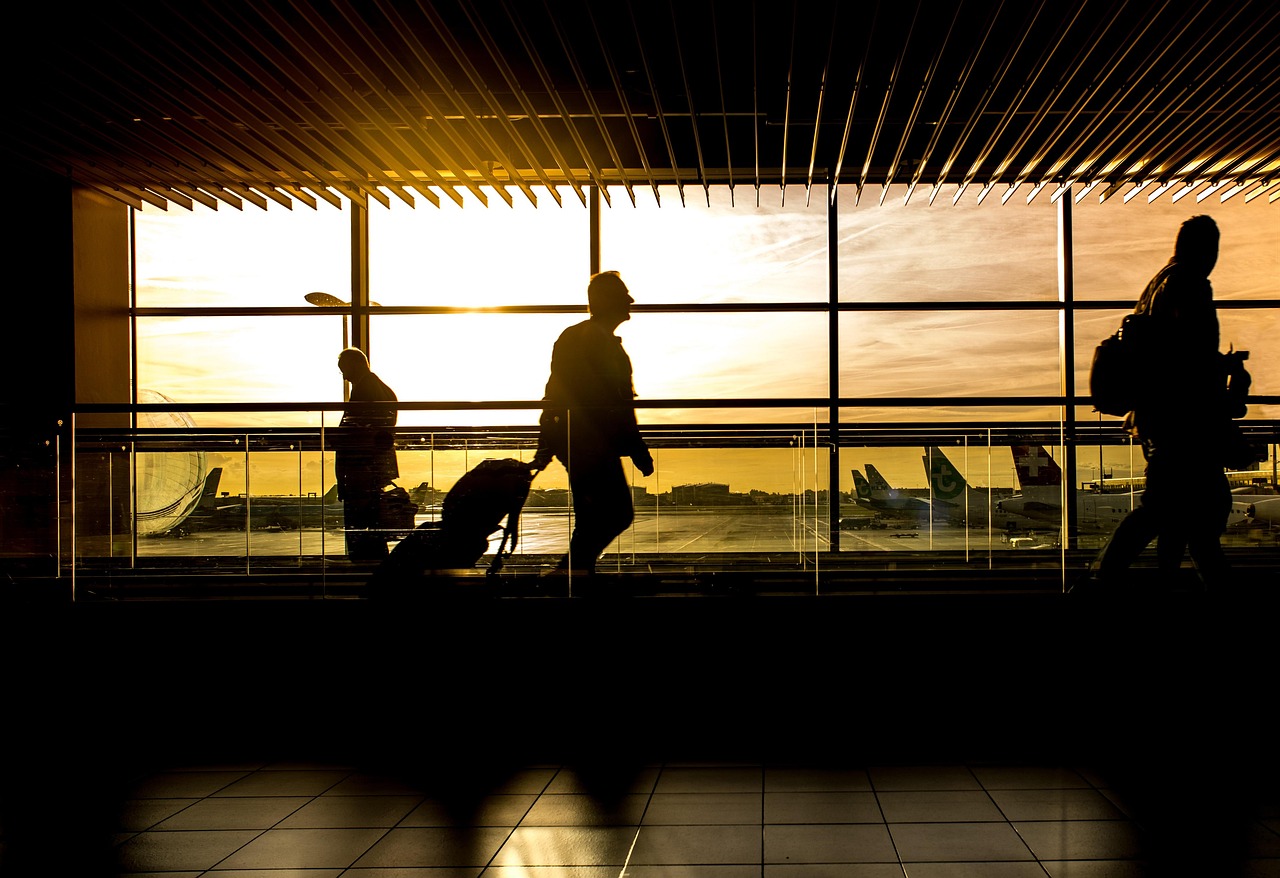
The last time I had a three-hour window at Vienna International Airport (VIE), I did what most Hong Kong travellers do: I found the nearest lounge, drank a Melange that tasted faintly of dishwater, and stared at my phone until boarding was called. I have since learned that this is a sin against the very concept of Wien. Vienna’s airport, like its city, operates on a logic that rewards the prepared traveller. Since the launch of Cathay Pacific’s direct HKG-VIE service in 2023, and with Austrian Airlines now running a daily frequency that connects seamlessly into its own European network, VIE has quietly become one of the most strategic layover points for Hong Kongers flying to the Balkans, Central Europe, or even the US East Coast. The Austrian Federal Ministry for Climate Action’s 2024 transport statistics show VIE handled over 29 million passengers last year, with a record 18% year-on-year increase in transit traffic from Asia. The real story, however, is not the terminal. It is what sits 18 minutes away by S-Bahn. Vienna’s coffee house culture—inscribed on the UNESCO Intangible Cultural Heritage list in 2011—is not a tourist gimmick. It is a functional, efficient, and deeply satisfying way to spend a four-to-six-hour layover without once feeling rushed.
Why VIE Works for the Coffee Crawl
The 18-Minute S-Bahn Gamble
The critical factor here is time. From the moment you clear the Schengen transit corridor at VIE’s Terminal 3, you are 18 minutes by S-Bahn line S7 from Wien Mitte station. The train runs every 30 minutes on weekdays, every 15 minutes during peak. A single ticket costs €4.90 (roughly HKD 42) and can be purchased at the yellow ÖBB ticket machines near the arrivals hall. The key detail: you need a valid Schengen visa or a Hong Kong passport, which grants visa-free entry for 90 days. The train platform is signposted from the arrivals level—follow the green “S-Bahn” signs, not the “CAT” signs (the City Airport Train is faster at 16 minutes but costs €14.90 and offers no functional advantage for this itinerary).
The return journey requires the same ticket. Factor in 5 minutes to walk from the platform to the security checkpoint at VIE, and another 10-15 minutes for priority security (if you hold Star Alliance Gold status or have purchased a priority lane pass). The total door-to-door time from airport gate to Café Central door is roughly 55 minutes. That leaves a solid 2.5 hours for a proper coffee crawl if you have a 4-hour layover, or a full 4.5 hours if you have 6.
The Terminal Reality Check
VIE’s lounges are functional but uninspiring. The Austrian Airlines Senator Lounge in Terminal 3 serves a passable goulash soup and a self-pour Melange from a thermos that has clearly been sitting too long. The coffee is drinkable but anonymous—the kind of thing you consume while waiting, not while travelling. The real problem is the lack of natural light in the Schengen transit area. After 12 hours on a CX flight from Hong Kong, the last thing you need is more recycled air and fluorescent hum. The city offers something the lounges cannot: the specific, slightly stale smell of a 19th-century coffee house, the sound of a spoon clinking against a glass of water, and the particular weight of a porcelain cup that has been in use since the Habsburgs.
The Itinerary: Three Coffee Houses, One Afternoon
Stop 1: Café Central (Herrengasse 14)
Exit Wien Mitte station and walk 12 minutes northeast along the Ringstrasse. The route is straightforward: follow the tram tracks past the Stadtpark, cross the street at the Opernring intersection, and continue straight until you see the massive, domed building that was once the Vienna Stock Exchange. Café Central occupies the ground floor. The room is vast—a 19th-century banking hall with vaulted ceilings, marble columns, and a central piano that is played by a man in a tuxedo who looks like he has been doing this since 1987.
Order the Einspänner (HKD 65). This is a double espresso served in a tall glass with a thick cloud of whipped cream on top. The cream is unsweetened, which is the point. The coffee beneath is dark, oily, and slightly bitter—exactly what you need after a night flight. The ritual is specific: you do not stir the cream into the coffee. You drink through the cream, letting the cold sweetness cut the heat. The pastry counter is reliable but not spectacular. The Topfenstrudel (quark strudel, HKD 75) is better than the apple version—lighter, less sweet, with a crumb that flakes properly.
The room smells like old paper, wood polish, and the faint, sweet perfume of the Sachertorte display. The waiters wear black vests and white shirts and move with the deliberate slowness of men who have been doing this job for decades. Do not expect speed. The point is to sit.
Stop 2: Café Sperl (Gumpendorfer Strasse 11)
From Café Central, take the U3 metro from Herrengasse station to Neubaugasse (two stops, 4 minutes). Exit and walk 5 minutes south. Café Sperl is smaller, darker, and more honest than Central. It opened in 1880 and has changed very little. The room is divided into two sections: the front Rauchzimmer (smoking room), which still permits smoking, and the back Nichtraucher section. The back room is quieter, with red velvet banquettes and wooden tables that have been worn smooth by decades of elbows.
Order the Verlängerter (HKD 58). This is essentially a long black—a shot of espresso topped with hot water—served in a small glass cup with a metal spoon. The coffee is lighter than the Einspänner at Central, with a brighter acidity. The house-made Kaiserschmarrn (shredded pancake with plum compote, HKD 110) is the best I have had in the city. The pancake is shredded, not cut, and the caramelisation is even across every piece. The plum compote is tart enough to cut the butter.
The smell here is different from Central: cigarette smoke (if you sit in the front), floor wax, and the specific, slightly sour smell of a Gugelhupf that has been sitting under a glass dome for a few hours. The waiters are older, gruffer, and more efficient. Your coffee arrives in under three minutes.
Stop 3: Café Hawelka (Dorotheergasse 6)
From Café Sperl, walk 8 minutes east along the Mariahilfer Strasse shopping street, then turn right into the narrow Dorotheergasse. Café Hawelka is the smallest of the three, and the most chaotic. It has been run by the Hawelka family since 1939. The current owner, a grandson, works the counter. The room is wood-panelled, dimly lit, and smells unmistakably of yeast and sugar.
Order the Melange (HKD 62) and the Buchteln (HKD 85). The Melange is Vienna’s standard coffee—espresso with steamed milk and a layer of milk foam. The version at Hawelka is slightly thinner than the norm, which is a good thing: it does not coat your tongue. The Buchteln are the real draw. These are small, yeast-based dumplings filled with plum jam, baked until golden, and served in a cast-iron pan. They arrive hot, with a dusting of icing sugar that melts on contact. The jam is tart and not too sweet. The dough is light enough that you can eat three without feeling heavy.
The room is loud. Groups of students, tourists, and old men reading newspapers overlap in conversation. The coffee arrives on a silver tray with a glass of tap water. The water is cold and comes from the same source as the city’s supply—the mountains west of Vienna. It tastes clean, with no chlorine.
The Logistics of the Return
The Timing Trap
The most common mistake is underestimating the security queue at VIE. The airport’s transit security is located in Terminal 3, near Gate D. During peak hours (10:00-14:00 and 17:00-20:00), the wait can exceed 25 minutes even for priority lanes. The airport’s 2024 operational report notes that average security wait times for Schengen-to-non-Schengen transit passengers are 14 minutes, but the 90th percentile is 32 minutes. Plan for the 90th percentile.
The S-Bahn from Wien Mitte to VIE takes 18 minutes. The train arrives at platform 1. From there, it is a 5-minute walk to the security checkpoint. If your inbound flight lands at 14:00 and your onward flight departs at 19:00, you can safely leave the airport by 14:30, be at Café Central by 15:25, and return to the airport by 17:45. That gives you 2 hours and 20 minutes in the city, plus 1 hour 15 minutes to clear security and reach your gate. This is tight but doable.
The Luggage Problem
If you are checking luggage through to your final destination, you are free to move without a bag. If you are on a single ticket with a partner airline (e.g., CX connecting to Austrian), your bag should be tagged through. If you are on a separate ticket—which is common for Hong Kong travellers booking ultra-low-cost carriers onward to the Balkans—you will need to collect your bag, clear customs, and re-check. This adds 30-45 minutes and makes the coffee crawl impractical unless you have a 6-hour layover.
The Coffee-to-Go Contingency
If the timing does not work for a sit-down visit, there is a functional alternative. The Café Central has a takeaway counter at the entrance. Order a Melange to go (HKD 55) and a Topfenstrudel (HKD 75). The coffee is served in a paper cup with a plastic lid, which is a sad compromise, but the pastry travels well. Eat it on the S-Bahn back to the airport. It is not the same as sitting in the room, but it is still better than the lounge.
Three Takeaways
- The 4-hour layover is the minimum: If your connection at VIE is less than 4 hours, do not attempt the city. The risk of missing your onward flight is not worth the coffee.
- The Einspänner at Café Central is the best value coffee in the city: At HKD 65, it costs less than a flat white at Pacific Coffee in HKIA, and the setting is incomparable.
- The S-Bahn is cheaper and functionally identical to the CAT: Save the HKD 86 difference and spend it on a second Buchteln at Hawelka.