Vancouver Airport Layover: Canada Line to Stanley Park and Gastown for a Pacific Northwest Quickie
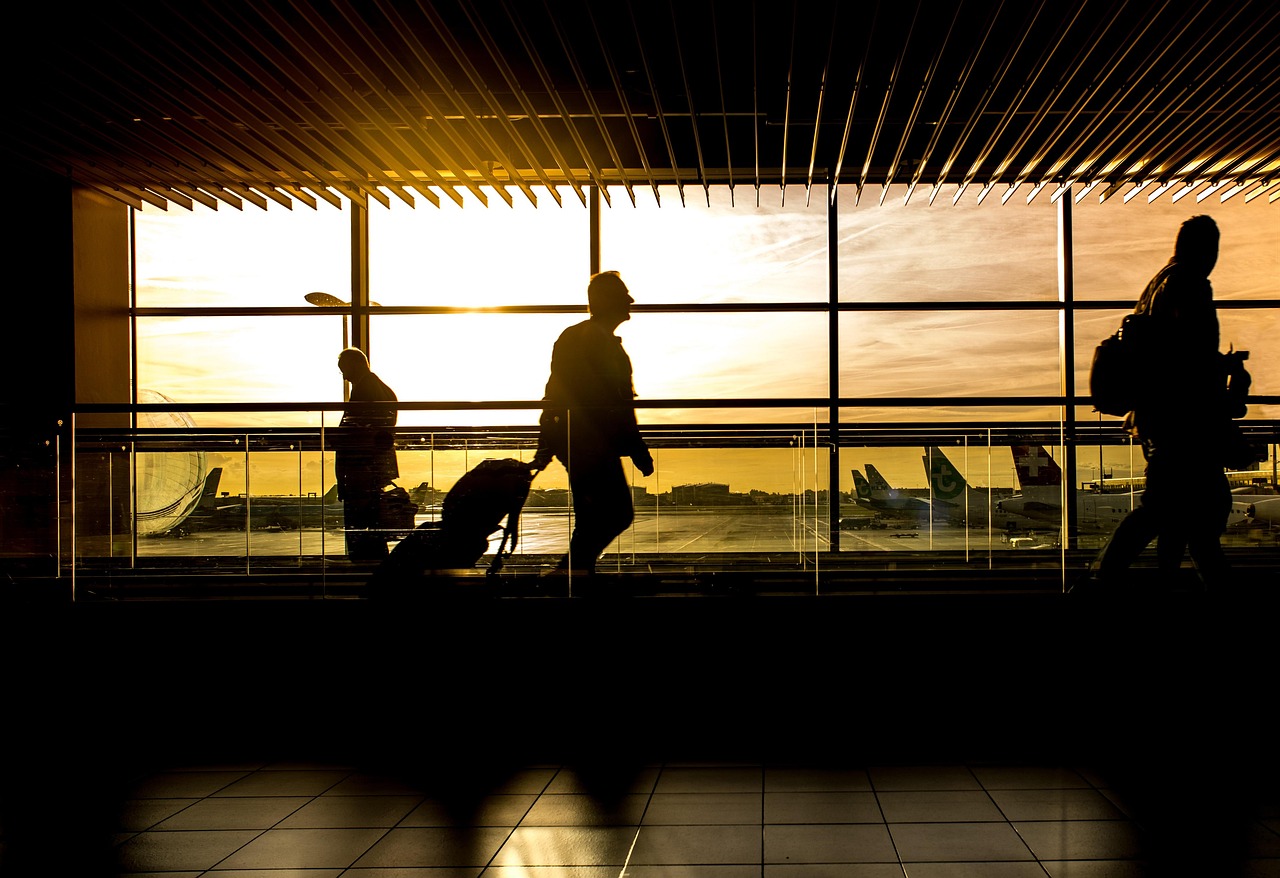
In early 2025, Canada’s federal government quietly extended its Trans-Pacific travel facilitation pilot through to October 2026, allowing eligible Hong Kong passport holders to apply for electronic travel authorisations (eTAs) rather than full visitor visas for air transit and short stays. This is the same regulatory lane that lets Cathay Pacific operate its daily HKG-YVR service with confidence that the 11-hour flight won’t end in a customs bottleneck. For the Hong Kong-based traveller with a 6- to 24-hour layover at Vancouver International Airport (YVR), this matters because it means you can step out of the sterile transit zone, clear preclearance-style immigration in under 30 minutes on a good day, and be sipping a flat white on Granville Island before most connecting passengers have found the duty-free. YVR is not Dubai, Singapore, or Incheon — it’s a Pacific Northwest regional hub that punches above its weight for the liminal traveller who wants a taste of temperate rainforest, craft beer, and waterfront without leaving the airport’s catchment for more than half a day. This guide is for the CX business-class passenger with a 7-hour connection, the budget carrier traveller with 14 hours to kill, and anyone who has ever wondered if Stanley Park is worth the Canada Line fare.
The Canada Line: 26 Minutes to the City
YVR’s Canada Line is the single best piece of airport infrastructure for the layover traveller in North America, and it’s not close. The train departs from a dedicated station attached to the domestic terminal building — follow the signs past the rental car counters, through the covered walkway, and you’re on the platform. A single-zone fare to Waterfront Station in downtown Vancouver costs CAD 4.20 (roughly HKD 24) using a Compass Card, or CAD 5.70 (HKD 33) with a contactless credit card tap. The Compass Card can be purchased at the station vending machine for CAD 6 (HKD 35), which includes CAD 5 in stored value — you’ll use that for the round trip. The journey takes exactly 26 minutes from YVR to Waterfront, with no transfers required. The trains run every 6 to 8 minutes during peak hours and every 12 minutes overnight.
What You See Along the Way
The line surfaces just after Marine Drive station, and for the next 15 minutes you’re riding elevated tracks through the working-class suburbs of South Vancouver. You’ll see the Fraser River, sawmills, container terminals, and the occasional bald eagle perched on a light pole. This is not a scenic rail experience — it’s functional, clean, and punctual in the way that only a system operated by the same authority that runs the SkyTrain can be. The carriages smell of rain-damp coats and the faint industrial tang of the river. By the time you hit Olympic Village station, the glass towers of downtown appear on the horizon.
Time Budgeting for the Transfer
Here is the hard math for the Hong Kong traveller used to Changi’s efficiency: from aircraft door to Canada Line platform, allow 15 minutes if you have carry-on only and have cleared immigration via the automated eGate (available for Hong Kong eTA holders with biometric passports). From platform to downtown station, 26 minutes. From Waterfront Station to the seawall at Coal Harbour, another 5 minutes on foot. Total: 46 minutes minimum from gate to waterfront. For a 6-hour layover, you have a solid 4 hours of usable city time after accounting for the return journey and the mandatory 60-minute pre-boarding buffer at YVR (it’s a US-style airport with long concourses). For 8 hours, you can comfortably do Stanley Park and Gastown. For 12 hours, add Granville Island.
Stanley Park: The Seawall Loop and the Totem Poles
Stanley Park is 405 hectares of temperate rainforest on a peninsula that juts into Burrard Inlet. It is larger than Central Park and, in the opinion of this writer, better maintained. The park’s perimeter is ringed by the Seawall, a 9-kilometre paved path that hugs the shoreline. For the layover traveller, the optimal use of time is to walk the section from the Vancouver Rowing Club to Brockton Point — about 2.5 kilometres one way, taking 30 minutes at a casual pace. This gives you the totem poles (nine hand-carved poles by First Nations artists from the Kwakwaka’wakw, Haida, and Coast Salish nations), views of the North Shore mountains, and the Lions Gate Bridge suspension span overhead.
The Seawall at 9 AM on a Tuesday
I did this walk on a grey October morning with a light drizzle — standard Pacific Northwest weather. The path was populated by joggers in Gore-Tex, dog walkers with umbrellas, and a single heron standing motionless on a rock at the water’s edge. The air smells of salt, wet cedar, and diesel from the cargo ships anchored in the harbour. At Brockton Point, you can see the cruise ship terminal at Canada Place and, on a clear day, Mount Baker in Washington State. There are public washrooms at the point, plus a small concession stand selling coffee that is drinkable but not memorable — skip it and walk back toward the Westin Bayshore for a proper espresso.
The Totem Poles and the Visitor Centre
The nine totem poles at Brockton Point are the most photographed attraction in British Columbia, according to the Vancouver Park Board’s 2023 annual report. They are not original to the site — they were moved here from various locations on the coast between 1920 and 1960 — but they are genuine, weathered, and worth the walk. The visitor centre next to the poles has interpretive panels that explain the symbolism of the raven, the wolf, and the killer whale. It takes 10 minutes to read them. Don’t spend longer unless you have a specific interest in Northwest Coast art.
Gastown: Steam Clock, Craft Beer, and a Proper Meal
Gastown is Vancouver’s original settlement, a six-block district of cobblestone streets, Victorian buildings, and the world-famous steam clock at the intersection of Water and Cambie streets. The clock is a tourist attraction but it’s also a legitimate engineering curiosity — it runs on steam piped from the city’s district heating system, and it whistles the Westminster chimes on the quarter hour. The area immediately around the clock is dense with souvenir shops and chain restaurants. Walk one block north to Powell Street and one block south to Cordova Street for the real Gastown.
The Craft Beer Scene
Vancouver has more breweries per capita than any city in Canada except Victoria, according to the British Columbia Craft Brewers Guild’s 2024 industry survey. For the layover traveller with limited time, the best option is Steamworks Brewing on the corner of Water and Richards streets — it’s a 3-minute walk from the steam clock, it serves a clean West Coast IPA called the Flagship IPA (5.2% ABV, 45 IBU, citrus-forward), and the food menu includes a solid fish and chips made with local halibut. A pint costs CAD 8.50 (HKD 49). The space is a converted 1910 brick warehouse with exposed timber beams and a view of the harbour. It is not a tourist trap — locals come here after work.
Eating on a Layover Schedule
If you have 90 minutes or less, skip a sit-down meal and go to Tacofino on Abbott Street for their Baja-style fish tacos (CAD 6.50 each, HKD 38, order two). If you have 2 hours, sit at the bar at L’Abattoir on Carrall Street for the smoked sablefish with pickled radish and dashi broth (CAD 28, HKD 162). This is a proper restaurant with a wine list that covers British Columbia’s Okanagan Valley and a kitchen that closes at 2:30 PM for lunch service — check the hours before you walk in. The dining room is in a former chicken-processing plant from 1890, with exposed brick and a skylight. The service is efficient and unpretentious.
Practical Logistics for the Return
The Canada Line runs from Waterfront Station to YVR until 1:15 AM on weekdays and 1:45 AM on weekends. The last train from downtown to the airport departs Waterfront at approximately 12:45 AM — check the TransLink website for the exact schedule on your travel date. If you miss it, a taxi to YVR costs CAD 35-45 (HKD 200-260) and takes 30 minutes in light traffic. Uber and Lyft operate in Vancouver but surge pricing is common during late-night hours — the taxi flat rate from downtown to the airport is regulated and predictable.
Security and Boarding at YVR
YVR has US Customs preclearance for flights to the United States, but for Hong Kong-bound travellers on CX, you clear Canadian customs on arrival and Canadian security on departure. The security screening at YVR’s international departure hall is efficient by North American standards — the average wait time in 2024 was 12 minutes, according to the Canadian Air Transport Security Authority’s annual performance report — but the concourse is long. The international gates are at the end of a 400-metre corridor past the duty-free shops. Allow 20 minutes from security to the furthest gate. The Cathay Pacific lounge at YVR is in the international departures area, near gate D71, and it serves a decent congee and a passable Hong Kong-style milk tea. The showers are clean and the wifi is fast enough for a video call.
Three Actionable Takeaways
- Buy a Compass Card at the YVR station vending machine for CAD 6 and reload with CAD 10 — that covers the round trip plus one bus or SeaBus ride if you decide to extend your range.
- Walk the Seawall from the Vancouver Rowing Club to Brockton Point and back in 60 minutes — this gives you the totem poles, the mountain views, and enough exercise to justify a beer at Steamworks.
- Allow 46 minutes minimum from aircraft door to Coal Harbour waterfront, and add 60 minutes for the return trip before your boarding time — this gives you a solid 3 hours of usable city time on a 6-hour layover.