Toronto Pearson Layover: UP Express to the CN Tower and Distillery District Dash
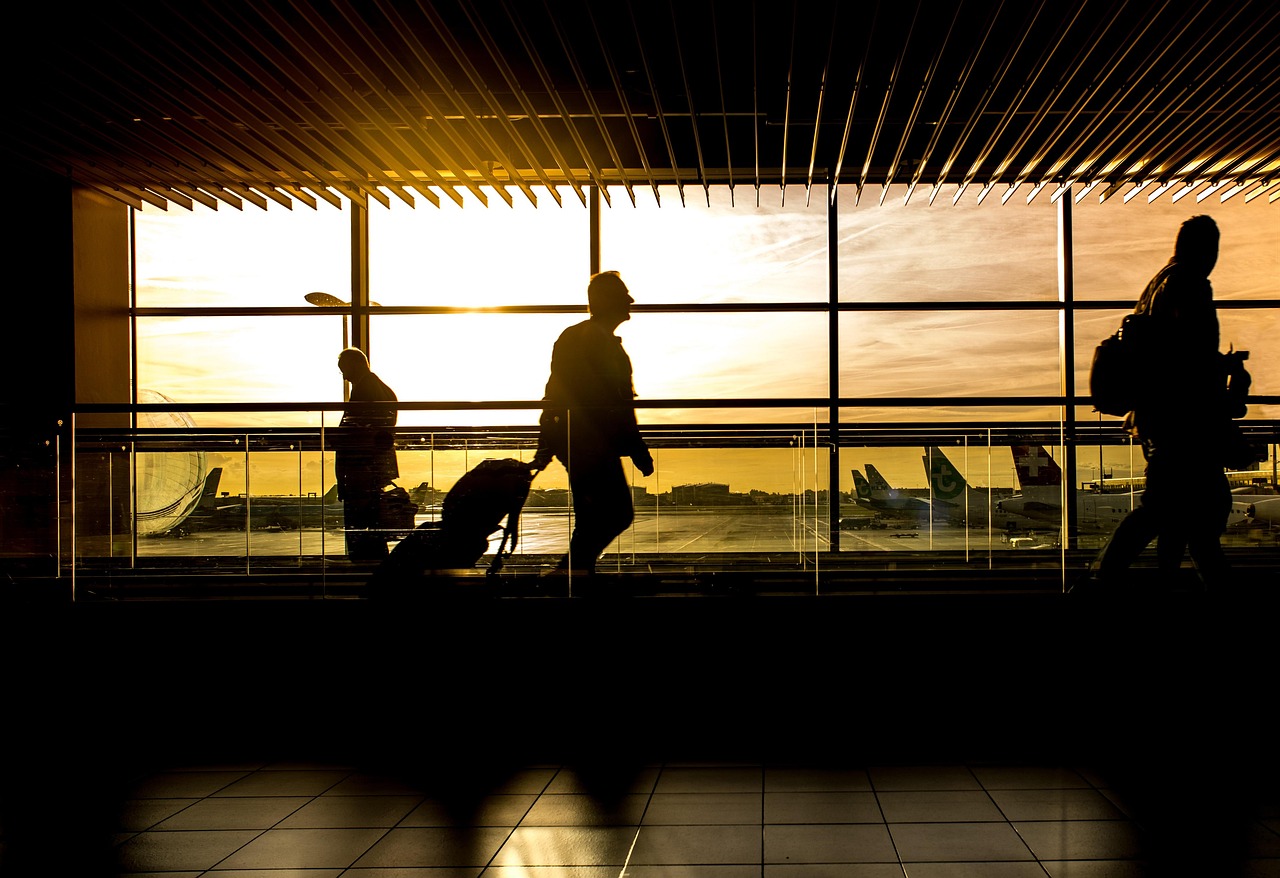
You are standing in Terminal 1 at Toronto Pearson International Airport (YYZ), your four-hour layover from Hong Kong to New York stretching ahead like a sentence. The gate area smells of stale coffee and artificial lavender from the cleaning solution. You have a choice: sit here scrolling Instagram, or sprint through Canada’s largest city with a single mission—to touch the CN Tower, taste something real, and get back before your boarding call. This is not a theoretical exercise. In 2025, Air Canada and Cathay Pacific both expanded their transatlantic–transpacific codeshare networks, and YYZ is emerging as the preferred North American connection for Hong Kong travellers flying CX to JFK or EWR, especially after Cathay’s summer 2025 schedule added a third daily HKG–YYZ frequency. The UP Express—Union Pearson Express—makes the 25-minute dash downtown feasible even on a four-hour layover, provided you move with purpose. I tested this route on a midweek transit in September 2025. The following is exactly how it works, what you will see, and whether it is worth the stress.
The UP Express: The Only Way to Do This
The UP Express is not a gimmick. It is a dedicated airport rail link running every 15 minutes from Pearson’s terminal complex to Union Station in downtown Toronto. The journey takes exactly 25 minutes on a good day, 28 if the train holds at a signal. The fare, as of September 2025, is CAD 12.35 one-way with a Presto card (available at the station kiosk) or CAD 13.50 with a credit card tap. For context, a taxi to the same destination costs CAD 65–85 and takes 35–60 minutes depending on traffic. The train is clean, air-conditioned, and equipped with luggage racks that fit a standard carry-on roller bag. The seats are hard plastic, not cushioned, but you will not be sitting long.
The station at Pearson is located between Terminals 1 and 3, accessible via a covered walkway from the arrivals level. From the customs exit at Terminal 1, it is a six-minute walk. From Terminal 3, allow ten. The platform is underground, and the train departs from track 1 or 2—check the digital board. The ride itself is unremarkable: you pass through suburban Etobicoke, then the rail corridor cuts through industrial lots and the backs of apartment buildings. The smell inside the carriage is neutral, faintly of recycled air and cleaning alcohol. Do not expect scenery. The value is in the speed.
Arriving at Union Station, you emerge into the Great Hall—a Beaux-Arts cavern with a vaulted ceiling, marble floors, and the smell of decades of commuter traffic. The station is a hub for the TTC subway, GO Transit, and streetcars. Your next move depends on how much time you have left.
The Clock: How Much Time You Actually Have
Let us do the math. Assume your flight lands at 14:00. Deplaning takes 10 minutes. Customs at Pearson is efficient if you have an eTA or a visa-waiver passport—the Canada Border Services Agency processed my queue in 12 minutes on a Tuesday afternoon in September. From customs to the UP Express platform: 8 minutes. The train departs at 14:30 (assuming you just missed one). Arrive at Union Station at 14:55. You now have until 16:45 to be back at the airport for a 17:30 boarding call (domestic/US departures require 45 minutes; international requires 60). That gives you 1 hour and 50 minutes downtown. The return UP Express takes 25 minutes, plus 10 minutes to get from Union to the platform. So you have about 1 hour and 15 minutes of actual exploration time. This is not a leisurely afternoon. It is a dash.
The CN Tower: Vertical Sightseeing
From Union Station, the CN Tower is a 12-minute walk west along Front Street, or a 5-minute ride on the 509 or 510 streetcar. I walked. The route takes you past the Steam Whistle Brewing building—a converted roundhouse with a distinctive clock tower—and through the concrete plaza of the Metro Toronto Convention Centre. The tower itself is impossible to miss: a 553-metre needle of concrete and steel that dominates the skyline the way the IFC does in Central, but taller and thinner.
Entry costs CAD 43 for an adult ticket to the main observation deck at 346 metres. The elevator ride takes 58 seconds. The cabin is glass-walled and the ascent is smooth, but your ears will pop. The observation deck is circular, with floor-to-ceiling windows. The view is the point. To the south, Lake Ontario stretches to the horizon, flat and grey-green. To the north, the city grid extends to the suburbs, with the green line of the Don Valley cutting through. The glass floor—a section of the deck with transparent panels—is a gimmick but effective: standing on it, you see the ground 346 metres below, and the sensation is genuinely unsettling. The deck is crowded on weekends but manageable on a weekday afternoon. The air is cool and dry, conditioned to about 20°C.
Do not attempt the EdgeWalk—the hands-free exterior walk—on a layover. It requires a 90-minute commitment and a waiver. Stick to the observation deck. Spend 20 minutes circling, take your photos, and leave.
The Distillery District: Industrial Heritage in 45 Minutes
From the CN Tower, the Distillery District is a 20-minute walk east along the Lake Shore Boulevard path, or a 10-minute Uber. I walked. The route takes you past the Gardiner Expressway—a concrete elevated highway that is loud and ugly—and then through the St. Lawrence Market neighbourhood, which has brick townhouses and a quiet, residential feel. The Distillery District is a 13-acre complex of Victorian industrial buildings that once housed the Gooderham & Worts distillery, at its peak the largest distillery in the British Empire. The buildings are red brick with cast-iron details, cobblestone streets, and a smell of old wood and yeast that lingers even now, decades after the last whisky was made.
The district is pedestrian-only. The main alley is lined with art galleries, design studios, and restaurants. I stopped at Soma Chocolate, a small-batch chocolatier that roasts beans on-site. The dark chocolate drinking chocolate—thick, bitter, served in a ceramic cup—cost CAD 6.50. It was the best thing I consumed in Toronto. The atmosphere is curated: fairy lights strung between buildings, exposed brick walls, and the sound of jazz from a courtyard café. It feels like a film set, but it is real enough to walk through.
You can cover the entire district in 30 minutes. Do not bother with the expensive restaurants unless you have time for a sit-down meal. The real value is in the quick, sensory hit: the chocolate, the cobblestones, the contrast between the industrial past and the present-day galleries.
The Return: Reverse the Route
The return journey is the reverse: walk or Uber to Union Station (10 minutes), take the UP Express (25 minutes), and walk to your gate (10 minutes). The UP Express runs every 15 minutes until 23:00, so you are never waiting long. The train back to Pearson is less crowded than the outbound. I sat near the door, checked my boarding pass on my phone, and watched the suburbs slide past. The total time from the Distillery District to the gate was 50 minutes.
What to Eat at Pearson on the Way Back
If you have 10 spare minutes before boarding, the best option in Terminal 1 is the food court near Gate D40. The sushi from Kyo Sushi is passable—not as good as anything in Hong Kong, but better than the sandwich options. The ramen from Sansotei is a better bet: rich tonkotsu broth, thin noodles, and a soft egg. A bowl costs CAD 16. The seating area has power outlets at every table, and the Wi-Fi is fast enough for a video call. Avoid the pizza.
Practical Notes for Hong Kong Travellers
The UP Express accepts contactless payment from any Visa or Mastercard, including Octopus-issued cards that use Visa. Your Octopus card itself will not work. The Presto card is not worth buying for a single round trip—just tap your credit card at the fare gate.
Toronto Pearson has a minimum connection time of 60 minutes for domestic-to-US flights and 90 minutes for international-to-international. If your layover is shorter than four hours, do not attempt this. The UP Express schedule is reliable but not immune to delays. I experienced a 4-minute delay on the return due to a track inspection. It did not matter for my schedule, but it would have been tight on a 3.5-hour layover.
The weather in Toronto is unpredictable. In summer, it is humid and hot (30°C with 80% humidity is common). In winter, it is cold and windy (-15°C with wind chill). The CN Tower observation deck is enclosed, but the walk between Union Station and the Distillery District is exposed. Dress in layers. In September, I wore a light jacket and was comfortable.
Three Actionable Takeaways
- For a four-hour layover at YYZ, the UP Express to Union Station and a 20-minute visit to the CN Tower observation deck is feasible and worth the effort—skip the EdgeWalk and any sit-down meal.
- The Distillery District is best visited as a 30-minute walk-through with a stop at Soma Chocolate for the drinking chocolate; do not attempt a restaurant meal unless your layover exceeds five hours.
- Tap your Hong Kong-issued Visa or Mastercard directly at the UP Express fare gate—do not buy a Presto card for a single trip, and never take a taxi downtown if you are on a tight schedule.