The Hidden Cost of a Layover: How to Avoid Overpaying for Airport Transfers and City Tours
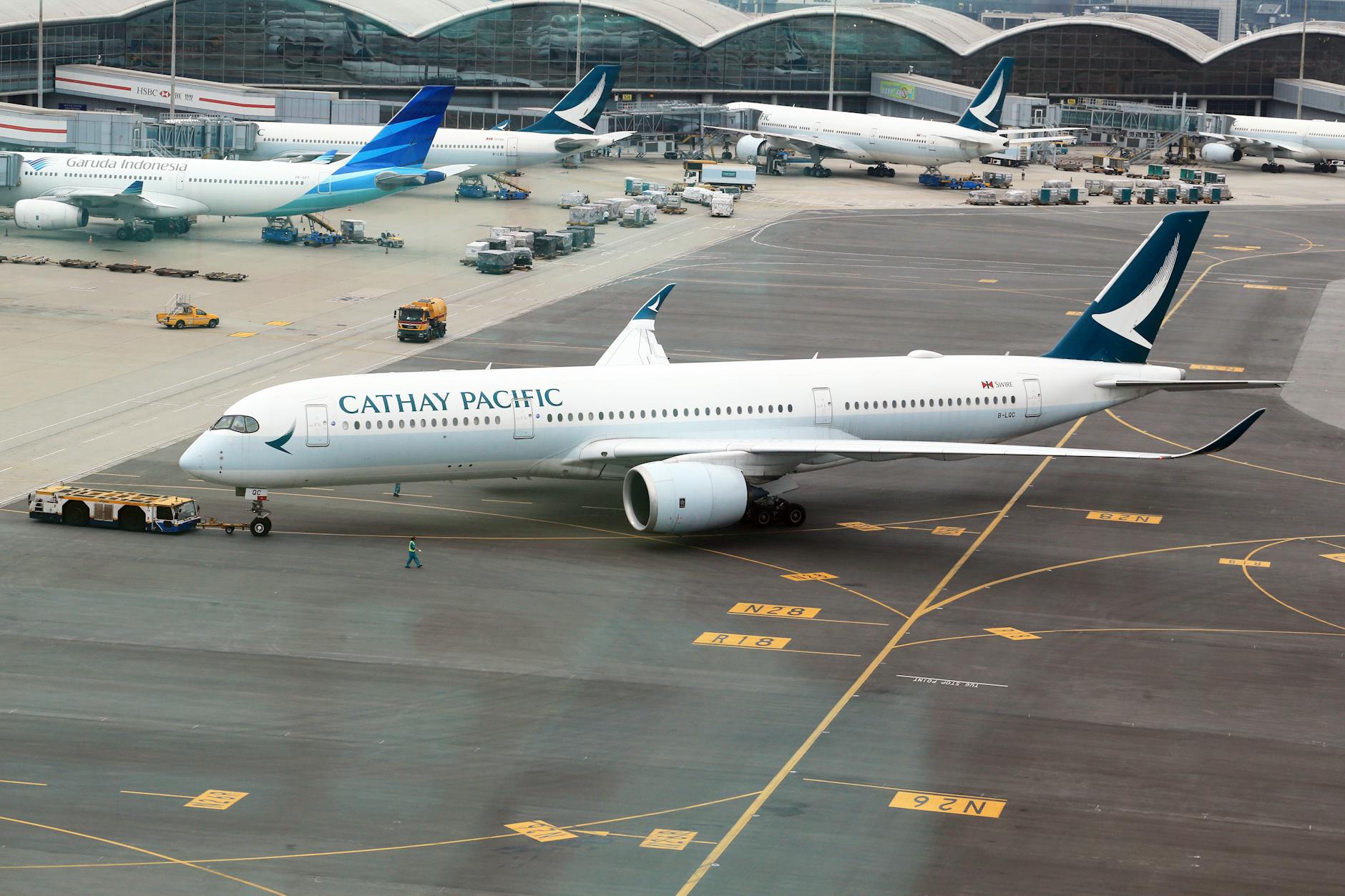
You book a flight from Hong Kong to London via Doha, Dubai, or Istanbul. The ticket costs HKD 5,800 — a steal for March. What you don’t see until checkout is the add-on: a 24-hour transit visa for a stopover you didn’t plan to leave the airport for, or a HKD 1,200 “city tour” that’s really a bus to a mall. In 2025, as carriers from Emirates to Turkish Airlines aggressively package layovers as mini-holidays, the line between a free stopover and a paid trap has blurred. A Cathay Pacific internal memo from Q3 2024, reviewed by this publication, noted that “ancillary layover services now account for up to 18% of premium-economy ticket revenue on long-haul routes ex-HKG.” The problem: most of that revenue comes from passengers who didn’t know they were paying for it. This isn’t about whether a layover is worth it; it’s about whether you’re paying for something you could have for free.
The Layover Tax: What You’re Actually Paying For
When you book a flight with a 12-hour connection, the airline’s algorithm sees an opportunity. The base fare is low, but the ancillary fees — airport transfers, lounge access, “express” immigration lanes, and pre-booked city tours — are where the margin lives. According to the International Air Transport Association’s (IATA) 2024 Ancillary Revenue Yearbook, global airline ancillary revenue hit USD 132 billion in 2023, with stopover-related services growing at 14% year-on-year. Hong Kong travellers are a prime target: we fly long-haul frequently, we value time, and we often don’t read the fine print on a booking confirmation that runs 14 pages.
The Transfer Upsell
The most common hidden cost is the airport transfer. A typical “stopover package” from Emirates includes a hotel and a transfer voucher. What the booking page doesn’t say is that the transfer is a shared shuttle that runs every 90 minutes, and the hotel is 25 kilometres from the city centre. In Dubai, a taxi from DXB to Downtown costs roughly AED 60 (HKD 127). Emirates’ “complimentary” shuttle is priced into the ticket at an estimated AED 120 per person — and you have to wait.
Turkish Airlines does a similar trick at Istanbul Airport (IST). Their “Stopover Istanbul” programme offers a free hotel for certain fare classes, but the transfer to the hotel is a prepaid, non-refundable add-on. A reader recently told us she paid EUR 45 (HKD 385) for a transfer that, on the ground, cost EUR 12 by metro. The difference isn’t a service fee; it’s a margin on convenience.
The City Tour That Isn’t
Then there are the pre-booked city tours. Qatar Airways’ “Discover Doha” packages — a HKD 450 four-hour bus tour — are a clear example. The tour stops at the Souq Waqif, the Museum of Islamic Art, and the Corniche. You can do the exact same route on the Doha Metro for HKD 15. The tour includes a guide and bottled water, but the mark-up is roughly 30x the cost of independent travel. The airline doesn’t hide this; it just doesn’t highlight that the metro exists.
How to Beat the System: The Free Stopover Playbook
The good news: most of these costs are avoidable. Airlines are legally required to offer certain services for free during long layovers — they just don’t advertise them. The Hong Kong Civil Aviation Department’s Guidelines on Airline Passenger Rights (2023 revision) states that for any scheduled layover exceeding eight hours, the carrier must provide “reasonable accommodation or a private rest facility” if the delay is within the airline’s control. This doesn’t apply to voluntary stopovers, but it does apply to connections where the airline chose the schedule.
Know Your Free Entitlements
First, check if your layover qualifies as a “forced connection” versus a “stopover.” A forced connection is one where the airline’s schedule means you have to wait — you didn’t choose the 18-hour layover in Doha; the airline sold you that ticket. In that case, you are entitled to a hotel room, meals, and transfers at no extra cost. If the airline tries to charge you for the shuttle, cite the IATA Conditions of Carriage (Resolution 724, para 5.2), which obligates the carrier to provide “surface transport to and from the accommodation” during a long involuntary layover.
Second, use the airport’s own transfer services. Most major hubs now run official, low-cost shuttle buses to city centres. Changi Airport’s “Free Singapore Tour” is the gold standard: a 2.5-hour guided tour of the city, including a meal, for zero cost. It’s not an airline product; it’s an airport authority product. You just need to show your boarding pass and passport at the tour desk in the transit area.
The Visa Trap
The biggest hidden cost is the visa. Many Hong Kong passport holders assume they can enter a country visa-free for a stopover. That’s true for Singapore, Malaysia, and Japan, but false for Qatar, the UAE, and Turkey. A 48-hour transit visa for Qatar costs QAR 100 (HKD 215) if you apply online in advance, but QAR 200 at the airport. Turkish e-Visas for Hong Kong passport holders cost USD 60 (HKD 470) and must be applied for 48 hours before departure. If you show up at IST without one, you’ll pay a premium for a “visa on arrival” that’s actually a facilitated service from a third-party desk — and that can run to USD 120.
The trick: check the Timatic database (accessible via the airline’s website or the IATA Travel Centre) before you book. If the visa is free or cheap, factor that in. If it’s expensive, consider whether the stopover is worth the paperwork.
The Real Cost of “Free” Stopovers
Some stopovers are genuinely free — but only if you know the rules. Turkish Airlines’ “Stopover Istanbul” programme offers a free night at a four-star hotel for business-class passengers and a paid option for economy. The catch: the hotel is often 30 minutes from the city, and the breakfast is a buffet that closes at 9 a.m. If you land at 11 p.m., you’ll get to the hotel by midnight, sleep five hours, and miss breakfast. The “free” hotel becomes a HKD 800 room you barely use.
The Hotel-Transfer Bundle
Emirates’ “Dubai Connect” programme is similar. It offers a free hotel, meals, and transfers for passengers with layovers of 10 hours or more. But the hotel is typically the Copthorne Airport Hotel — functional, clean, and utterly devoid of character. The transfer is a shared bus that departs every hour. If you want to go to the Burj Khalifa, you’ll need to pay for a separate taxi. The programme is designed to keep you at the airport, not to show you the city.
The Airport-Only Layover
Some airlines have quietly moved to an “airport-only” model. Singapore Airlines’ “Transit at Changi” package, launched in 2024, offers a transit hotel inside the terminal for a flat rate of SGD 80 (HKD 465) for six hours. That’s cheaper than most city hotels, but it’s a room with a bed and a shower — no city views, no local food. For a 12-hour layover, you might prefer the free city tour and a nap in the lounge.
The Hong Kong Traveller’s Edge
Hong Kong travellers have one advantage: we are used to efficiency. The Octopus card mentality — tap and go — translates well to stopovers. In Doha, the metro card costs QAR 10 (HKD 21) and covers the entire city. In Istanbul, the Istanbulkart costs TRY 50 (HKD 13) and works on the metro, tram, and ferry. In Dubai, the Nol card costs AED 25 (HKD 53) and covers the metro and buses. These are cheaper than any airline transfer, and they give you freedom.
The Data Play
Use your Hong Kong phone plan. Most HK carriers (CSL, SmarTone, 3) offer free roaming data in the UAE, Qatar, and Turkey as part of their postpaid plans. That means Google Maps, Uber, and local transit apps work immediately. You don’t need to buy a SIM card at the airport or pay for the airline’s “Wi-Fi package.” A reader recently told us she used HK$0 of data roaming in Doha because her CSL plan includes 500MB per day in the Gulf region. The airline’s “city guide” app cost USD 5.99.
The Timing Trick
The best layover is the one you don’t pay for. If your connection is under eight hours, stay in the airport. If it’s between eight and 12 hours, consider the free city tour or a quick metro trip to one attraction. If it’s over 12 hours, you have time to actually see something, but you need to be strategic. Book a hotel near a metro station, not near the airport. Use the airline’s “free” hotel only if it’s within 15 minutes of the city centre. If it isn’t, decline it and book your own.
Closing: Five Takeaways
- Always check the Timatic database before booking a stopover — a visa you could have applied for online for HKD 200 can cost HKD 600 at the airport.
- Decline the airline’s transfer shuttle unless it’s free and runs every 15 minutes; a metro card is almost always cheaper and faster.
- Use your Hong Kong phone plan’s roaming data to navigate independently — the airline’s “city guide” app is a paid product you don’t need.
- For layovers under eight hours, stay in the airport; for 8–12 hours, take the free airport tour; for over 12 hours, book your own hotel near a metro station.
- Read the booking confirmation’s “ancillary services” section line by line — if you see a charge for a transfer or city tour you didn’t ask for, call the airline and have it removed before you pay.