Surviving an Overnight Layover with a Baby: The Most Family-Friendly Airports and Hotels Worldwide
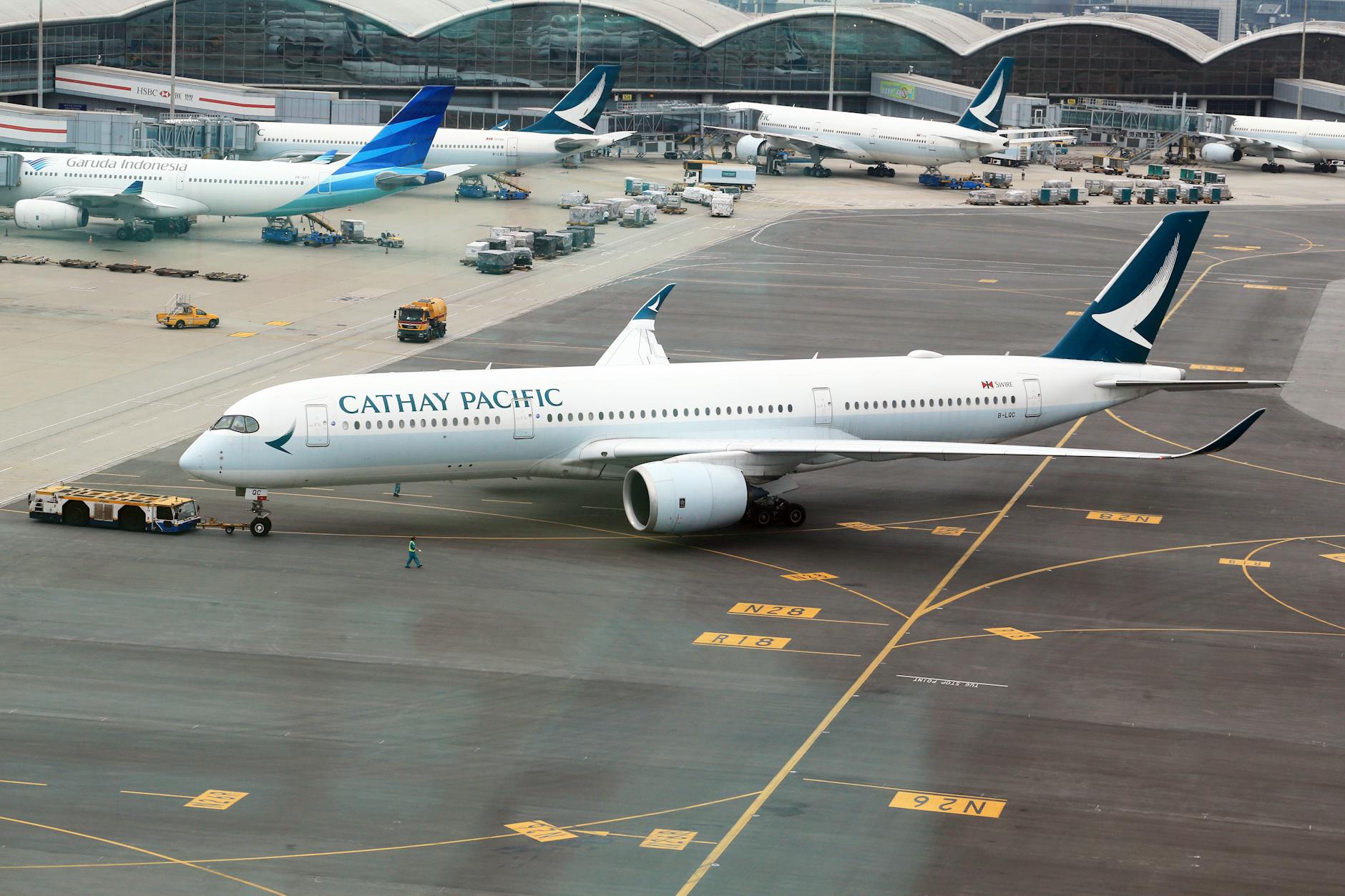
The last time I flew Hong Kong to London with a 14-month-old, the overnight transit in Doha lasted nine hours — long enough for a full meltdown cycle, a nappy disaster in a toilet the size of a phone booth, and a desperate 2 a.m. lap around a departures hall that smelled of stale coffee and floor cleaner. That was 2023. By 2025, the calculus has shifted. According to the International Air Transport Association’s 2024 Global Passenger Survey, 37% of long-haul travellers now book itineraries with layovers of six hours or more — a figure driven partly by the post-pandemic return of ultra-long-haul routes and the proliferation of stopover programmes from hubs like Singapore, Doha, and Istanbul. For parents, this means the overnight layover is no longer an anomaly; it is a structural feature of modern air travel. The question is no longer if you will face one with a baby, but which airport you will be stuck in when it happens.
The New Standard: What Makes an Airport Truly Family-Friendly
The bare minimum — a changing table in the toilet and a lukewarm bottle of formula at a café — no longer cuts it. A 2025 analysis by the Airports Council International (ACI) identified four criteria that separate the merely tolerable from the genuinely supportive: dedicated family zones with soundproofed rest areas, 24-hour nursing rooms with private feeding cubicles, on-site hotels with cot provision and early check-in, and airport staff trained in paediatric first aid. Hong Kong International Airport (HKIA) scores well on the first three, but its family zones, while clean, lack the sleeping pods and play structures that have become standard in Changi and Hamad.
Changi Airport (SIN): The Gold Standard
Changi’s Terminal 3 features a 24-hour family zone with a dedicated sleeping area, soft-play mats, and a nursing room with individual cubicles equipped with electric breast pump outlets — a detail that matters when you are trying to express milk at 3 a.m. Singapore time. The airport’s Ambassador Transit Hotels offer hourly rates from SGD 80 (approximately HKD 460) for a four-hour block, and cots are provided on request without surcharge. The real differentiator, though, is the free movie theatre in Terminal 2, which runs children’s films on loop until 6 a.m. and has reclining seats wide enough for a parent and infant to share.
Hamad International Airport (DOH): The Sleep-Friendly Contender
Doha’s Hamad has invested heavily in its “Quiet Rooms” — sound-dampened cubicles with reclining chairs, dimmable lighting, and a door that locks from the inside. There are 12 of them scattered across the terminal, and they are free to use on a first-come, first-served basis. The airport’s official 2024 passenger experience report noted that these rooms had a 92% occupancy rate during peak overnight hours (midnight to 5 a.m.), which tells you how badly they are needed. The on-site Oryx Garden Hotel charges QAR 450 (about HKD 960) for a six-hour day-use room, and the pool area has a shallow children’s section that is heated to 30°C — useful for burning off energy before a second long leg.
The Hotel Option: When the Airport Itself Isn’t Enough
Sometimes the terminal simply cannot provide what a baby needs — a dark, quiet room with a proper cot, a bathtub, and room service that delivers warm milk at 4 a.m. In those cases, the airport hotel becomes the critical infrastructure. The key metric is proximity: a hotel connected by a covered walkway or a direct shuttle that runs every 10 minutes, not a 20-minute bus ride to an off-site property.
The Novotel Changi (SIN): Connected and Competent
The Novotel sits directly above Terminal 3, linked by a lift that takes exactly 47 seconds from the departure hall to the lobby. Rooms start at SGD 220 (HKD 1,260) per night, and the hotel’s 2024 renovation added soundproofed windows that reduce aircraft noise to a low hum. The cribs are standard Graco pack-and-plays, and the front desk stocks disposable nappy bags and baby wipes — a small thing, but one that saved me a walk back to the terminal at 11 p.m. The pool is outdoor and uncovered, so it is less useful during Singapore’s monsoon season, but the breakfast buffet opens at 5:30 a.m., which aligns with early departures.
The Aerotel (SIN): Budget-Friendly and Terminal-Adjacent
For shorter stays, the Aerotel in Terminal 1 offers day-use rooms from SGD 100 (HKD 570) for four hours. The rooms are compact — roughly 12 square metres — but each has a private shower and a blackout curtain that actually blocks light. The noise insulation is less effective than the Novotel’s, so earplugs for the adult and a white-noise app for the baby are essential. The Aerotel does not provide cots; you will need to request a rollaway bed at an additional SGD 30 (HKD 170), and availability is not guaranteed.
The Unsung Heroes: Second-Tier Hubs That Get It Right
The big three — Changi, Hamad, and Incheon — dominate every “best airport” list, but for Hong Kong-based travellers, two smaller hubs deserve attention: Kuala Lumpur International Airport (KUL) and Tokyo Narita (NRT). Both are common transit points for CX and partner airlines, and both have made quiet but meaningful investments in family infrastructure.
Kuala Lumpur International Airport (KUL): The Underrated Value Play
KLIA’s Gateway@klia2 hotel offers rooms from MYR 200 (HKD 340) per night, making it the cheapest airport hotel within a 10-minute walk of any terminal in Southeast Asia. The rooms are basic but clean, and the hotel provides cots on request — though the cots are metal-framed and older, so bring your own sheet. The airport itself has a “Family Room” in the satellite building with a small play area and a nursing room, but it is only open from 6 a.m. to midnight. For overnight layovers, the 24-hour McDonald’s in the main terminal is a reliable fallback for hot milk and a clean table.
Tokyo Narita (NRT): The Efficiency Champion
Narita’s Terminal 1 has a “Nursing Room” with a private feeding booth, a microwave, and a sink with hot water — a detail that matters when you need to sterilise a bottle. The airport’s 2023 passenger survey showed that 94% of parents rated the nursing facilities as “good” or “excellent,” the highest satisfaction score among Japanese airports. The on-site Narita Airport Rest House charges JPY 9,000 (HKD 470) for a single room, and the hotel provides Japanese-style futons rather than Western cots, which some babies find unfamiliar. The real advantage is the 24-hour convenience store in the terminal, which stocks baby food, formula, and nappies — a lifeline when your carry-on runs out.
Practical Takeaways for the Overnight Layover Parent
- Book a hotel room with a guaranteed cot at the time of reservation — do not rely on “cot on request,” as availability is not guaranteed and you will be too tired to negotiate at 2 a.m.
- Pack a dedicated layover bag with two changes of clothes for the baby, a full pack of nappies, a white-noise device or app, and a portable blackout blind (a large dark towel works in a pinch).
- Choose a terminal-side hotel over a landside option whenever possible — the extra 20 minutes for immigration and security is time you do not have during a meltdown.
- Check the airport’s official website for the exact location of family rooms and nursing facilities before you land; terminal maps on third-party apps are often outdated.
- Accept that the overnight layover with a baby is not about enjoying the airport — it is about survival. A clean room, a warm bottle, and a dark space to sleep are the only metrics that matter.