Reykjavik Keflavík Airport Layover: Blue Lagoon Geothermal Spa Dash — The Ultimate Icelandic Transit
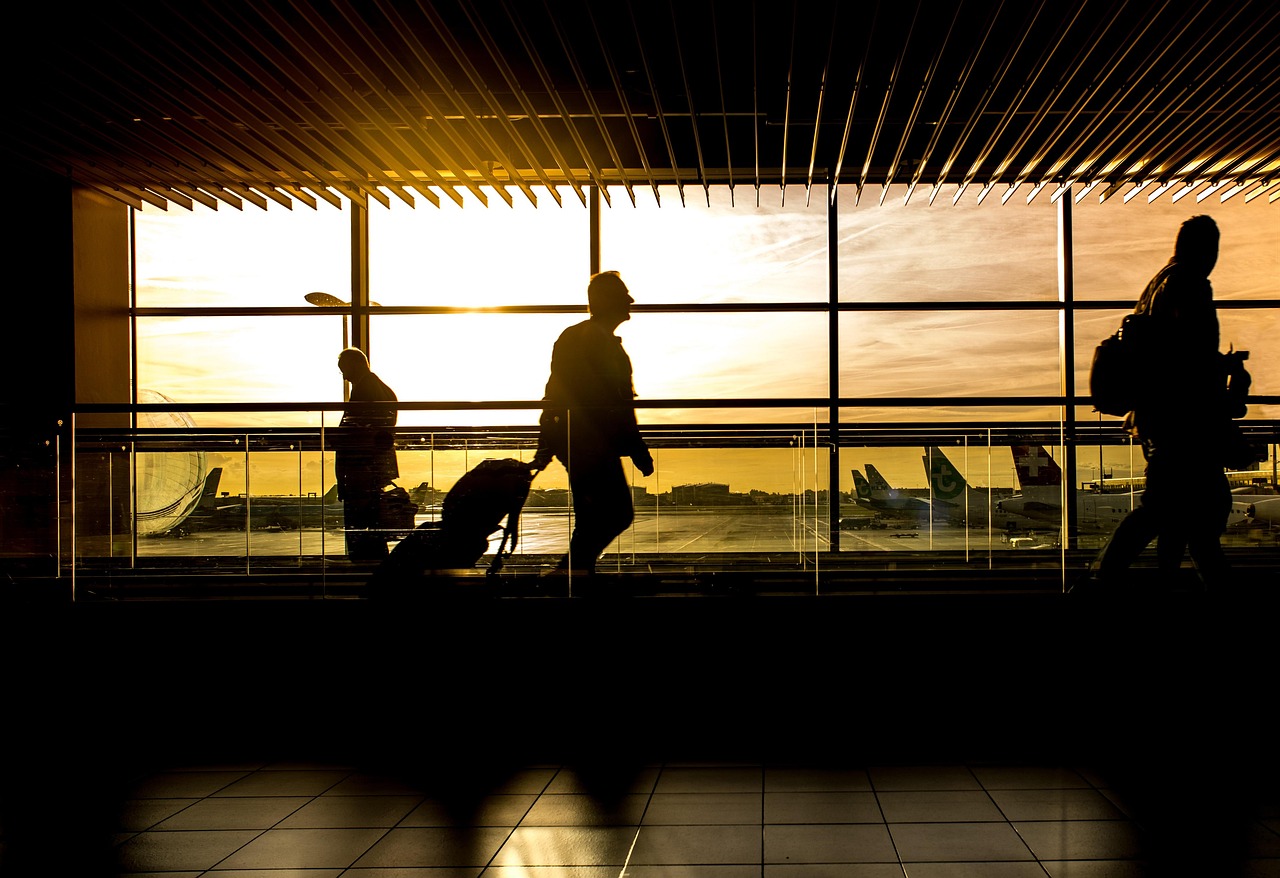
The last time I did a European trip from Hong Kong, I booked a flight with a 45-minute connection in Helsinki. That was optimistic. This time, flying to New York via Reykjavik with Icelandair, I deliberately chose an eight-hour layover at Keflavík International Airport (KEF). The reason is sitting in a milky-blue lagoon 20 minutes from the terminal, and it has nothing to do with duty-free shopping. In 2025, Iceland’s tourism board reported that KEF handled over 8.5 million passengers, with transit travellers making up roughly 30% of that figure — a share that has grown steadily since Icelandair expanded its North American route network in 2024. The airline now connects 15 U.S. and Canadian cities from KEF, making this stopover a practical alternative to the traditional Middle Eastern or European hubs Hong Kongers typically use. The key question is whether a few hours in a geothermal spa justifies the extra transit time. I spent a full day testing the logistics, from deplaning to soaking to reboarding, so you don’t have to guess.
The KEF Transit Reality Check
Keflavík is not Changi or Hamad. It is a single-terminal airport with two concourses, a handful of gates, and a duty-free hall that feels like a 1990s shopping arcade. The entire terminal can be walked end-to-end in under eight minutes. That is either reassuring or alarming, depending on your expectations.
Arrival and Immigration
If you are transiting from Hong Kong to North America via KEF, you will arrive at a gate in the main concourse. Icelandair uses both concourses A and B, but the difference is negligible — a 200-metre walk separates them. The immigration line for non-Schengen passengers moves quickly. I cleared passport control in 11 minutes on a Tuesday afternoon in October. The officers are efficient but not chatty. They will check your onward boarding pass and ask where you are staying. If you plan to leave the airport, say “Blue Lagoon” and they wave you through.
The terminal has two lounges: the Saga Lounge (accessible to Icelandair Saga Class passengers and certain credit card holders) and the Alfa Lounge (pay-per-use, about HKD 250 for two hours). Neither is worth planning around. The Saga Lounge serves instant coffee from a machine and pre-packaged sandwiches. The Alfa Lounge has slightly better seating but the same coffee. Skip both and save your hunger for the lagoon.
Baggage and Storage
Here is the critical detail Hong Kong travellers need to know. If you checked a bag through to your final destination, you cannot access it during the layover. Icelandair, like most airlines, does not offer a baggage reclaim and recheck service for same-day transits. Your checked luggage stays in the system. If you need items from your bag, pack a separate carry-on with swimwear, a change of clothes, and toiletries. The Blue Lagoon provides towels and lockers, but you will need your own swimsuit.
If you are on a multi-day stopover (Icelandair allows up to seven days at no extra fare), you can collect your bags and check in again the next day. For a same-day dash, you are limited to what you can carry.
The Blue Lagoon Dash: Step by Step
The Blue Lagoon is 20 minutes from KEF by car. A taxi costs approximately HKD 450-550 each way. A shared shuttle operated by Reykjavik Excursions costs HKD 180 per person each way and runs every 30 minutes. The shuttle stop is directly outside the arrivals hall, marked with a blue sign. I took the shuttle and it was punctual, clean, and minimally crowded on a weekday.
Booking and Pricing
You must book the Blue Lagoon in advance. Walk-ins are not accepted during peak hours (10:00-16:00). The Comfort package, which includes entry, a towel, and one silica mud mask, costs approximately HKD 620 per person in 2025. The Premium package adds a bathrobe, slippers, a second mask, and a glass of sparkling wine at the in-lagoon bar for HKD 880. I recommend the Premium package for the robe alone — the walk from the changing rooms to the lagoon is cold, and the wind at KEF is relentless.
The lagoon is open from 07:00 to 23:00. For a layover, aim for an entry time that gives you at least three hours in the water. I booked the 10:00 slot for my 18:00 departure and had ample time.
The Experience
The water is not hot. It is warm — around 38-40°C — and the milky-blue colour comes from dissolved silica and algae. The smell is faintly sulphurous, like hard-boiled eggs left out too long. You get used to it within five minutes. The lagoon is larger than it looks in photos, with several steam vents, a sauna, and a waterfall you can stand under for a shoulder massage. The silica mud is applied in a designated area; you scoop it from a bucket and smear it on your face. It dries into a white crust that makes everyone look like extras from a low-budget sci-fi film.
The in-water bar serves smoothies, water, and sparkling wine. The wine is mediocre but the novelty of drinking it while submerged in geothermal water is undeniable. The changing rooms are clean, with private shower cubicles and hairdryers. The lockers are electronic and large enough for a cabin bag.
Practical Considerations for the Hong Kong Traveller
Time Budget
From the moment you step off the plane to the moment you return to the gate, budget five hours for the lagoon dash. That breaks down as: 15 minutes to clear immigration, 20 minutes waiting for the shuttle, 20 minutes transit, 15 minutes to change, three hours in the lagoon, 15 minutes to change and dry, 20 minutes return transit, and 30 minutes to clear security and walk to the gate. If your layover is under six hours, you are pushing it. If it is under five, do not attempt it.
Currency and Payments
Iceland uses the Icelandic króna (ISK), but every business at KEF and the Blue Lagoon accepts credit cards. You do not need cash. The Octopus card is irrelevant here, but your Visa or Mastercard will work everywhere. The HKD to ISK exchange rate in October 2025 was roughly HKD 1 to ISK 17.5.
What to Wear
The key mistake Hong Kong travellers make is underestimating the cold between the terminal and the shuttle. KEF is on a windswept peninsula. Even in summer, the temperature rarely exceeds 15°C. In winter, it hovers around freezing. Wear a jacket you can remove quickly. The Blue Lagoon provides a towel and, with the Premium package, a robe. You will walk from the changing room to the lagoon door in your swimsuit. That 10-metre dash is the coldest moment of the entire trip.
Food
The Blue Lagoon has a restaurant called Lava, which serves Icelandic lamb soup and arctic char. A main course costs around HKD 350. The food is good but not exceptional. There is also a café in the terminal before security that sells mediocre sandwiches and decent coffee. If you are on a tight schedule, eat at the lagoon.
The Verdict: Is It Worth It?
The Blue Lagoon is a tourist attraction, not a natural hot spring. It is fed by runoff from the Svartsengi geothermal power plant. The water is not naturally blue — it is dyed by minerals from the plant’s discharge. None of this matters when you are floating in 39°C water under a grey Icelandic sky, watching the steam rise against the lava fields. The experience is genuinely pleasant, and the proximity to KEF makes it uniquely suited to a layover.
For a Hong Kong traveller accustomed to the efficiency of Changi or the luxury of Hamad, the Blue Lagoon offers something neither of those hubs can: a physical reset. A three-hour soak in warm, silica-rich water before a seven-hour flight to New York or an eleven-hour flight to Chicago reduces jet lag fatigue. I slept better on the KEF-JFK leg than I have on any direct HKG-JFK flight in the last three years.
The cost is reasonable by Hong Kong standards. A Premium package plus return shuttle and a meal comes to roughly HKD 1,500. That is less than a lounge access pass and a meal at HKG’s Plaza Premium Lounge, and the experience is far more memorable.
Actionable Takeaways
- Book the Blue Lagoon at least two weeks in advance for a same-day layover; walk-ins are not guaranteed and the Comfort package sells out regularly.
- Pack your swimsuit, a change of clothes, and a jacket in your carry-on — your checked luggage will not be accessible during the transit.
- Budget a minimum of six hours layover time from arrival to departure; five hours is possible but stressful, four is not worth attempting.
- Choose the Premium package for the bathrobe and slippers; the Comfort package leaves you shivering between the changing room and the water.
- Use the shared shuttle, not a taxi; the cost difference is significant and the shuttle schedule aligns with the lagoon’s entry slots.