Nagoya Chubu Centrair Layover: Meitetsu to the City for Hitsumabushi Eel and Nagoya Castle
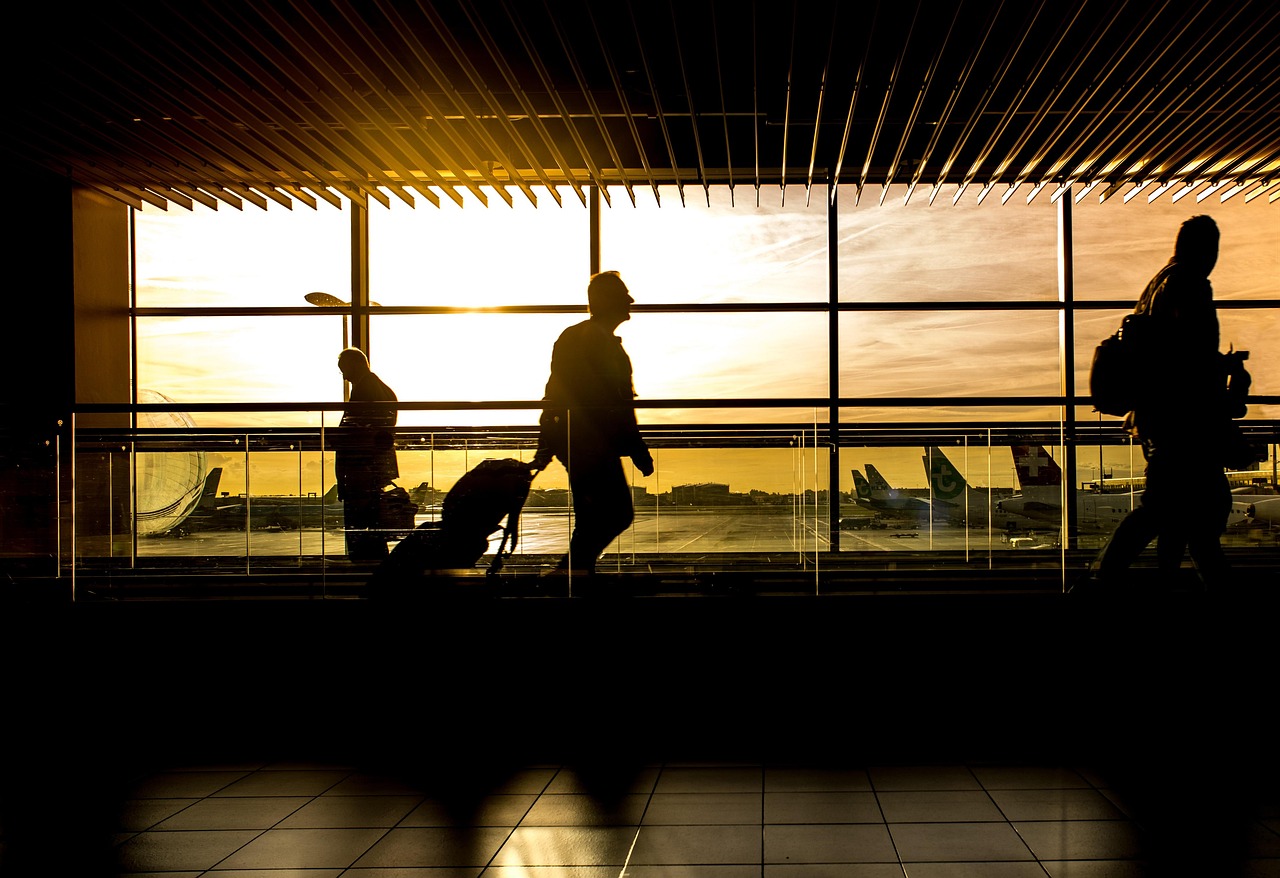
Chubu Centrair International Airport (NGO) has quietly become one of the most practical layover options for Hong Kong travellers flying between Asia and North America, particularly since Cathay Pacific resumed its direct HKG–NGO service in October 2024 after a four-year suspension. The route, operating five times weekly on an Airbus A330-300, puts Nagoya back on the map for Hongkongers who previously defaulted to Tokyo Narita or Osaka Kansai for their Japan stopovers. What makes Centrair different from those bigger hubs is the efficiency of the connection: the airport sits on an artificial island in Ise Bay, and the Meitetsu Limited Express can get you to Nagoya Station in 28 minutes flat. For a 6–12 hour layover, that window is just wide enough to eat a proper bowl of hitsumabushi (grilled eel over rice), walk off the jet lag around Nagoya Castle, and still make your connection without the panic of a Narita Express crawl.
The Meitetsu Connection: 28 Minutes and You’re Downtown
The single best thing about a Nagoya layover is the transit time. From the arrivals hall at Centrair, follow the signs for the Meitetsu train station — it is directly connected to the terminal building, no shuttle bus required. You buy your ticket from the vending machines near the gate; a one-way fare to Nagoya Station costs ¥980 (approximately HKD 52 as of March 2025). The Meitetsu Limited Express (μ-SKY) runs every 30 minutes during peak hours, and the journey takes exactly 28 minutes with no intermediate stops. Compare that to the 90-minute bus ride from Narita to Tokyo Station, or the 50-minute Nankai Airport Express from Kansai to Namba. Centrair is the only major Japanese airport where you can be eating lunch in a downtown restaurant within 35 minutes of clearing immigration.
The trains themselves are clean and punctual, with overhead luggage racks that accommodate standard carry-on suitcases. If you are travelling with a larger checked bag, note that the overhead bins on the μ-SKY are slightly narrower than what you find on Hong Kong’s Airport Express — anything over 60cm in height may need to go on your lap. The seats are configured 2-2, and the carriage is noticeably quieter than a typical MTR carriage at rush hour. You will have phone signal for the entire ride; SoftBank and docomo both cover the tunnel sections.
Luggage Storage Strategy
If your layover is under six hours, do not bother with a hotel. Head straight for the coin lockers at Nagoya Station. The station has over 2,000 lockers spread across the Sakura-dori and Taiko-dori sides, with sizes ranging from small (¥300–400, fits a backpack) to large (¥700–800, fits a 29-inch suitcase). The largest lockers are concentrated near the JR Central Towers entrance on the Taiko-dori side. Pay by coin or IC card — your Octopus card will not work here, but Suica and Pasmo do. If you do not have either, the machines accept ¥100 and ¥500 coins. Keep the receipt; you will need the code to retrieve your bag.
For longer layovers (8+ hours), consider the Nagoya Station Tourist Information Centre on the B1 level of the Sakura-dori side. They offer a same-day luggage delivery service to Centrair for ¥1,500 per bag — drop your suitcase by 2pm and it will be waiting for you at the airport baggage claim by 6pm. That frees you up to explore without dragging a wheelie case through a castle garden.
Hitsumabushi: The One Dish You Cannot Skip
Nagoya’s culinary identity is built on three things: miso katsu, tebasaki (chicken wings), and hitsumabushi. Of these, hitsumabushi is the one that justifies a layover detour. The dish consists of grilled eel (unagi) sliced into thin strips, served over a bed of rice in a lacquered wooden bowl. The ritual involves eating it in three stages: first, as-is, to taste the eel and the tare sauce; second, with a side of chopped spring onion, nori, and wasabi; third, as a chazuke, with hot dashi poured over the rice. The fourth stage is whatever you prefer.
The most famous shop is Atsuta Horaiken, a century-old institution with several locations around the city. The flagship store near Atsuta Jingu Shrine is a 20-minute taxi ride from Nagoya Station (around ¥1,500), but for a layover, the more practical option is the Marunouchi branch, a 10-minute walk from Nagoya Station’s west exit. A standard hitsumabushi set costs ¥3,800 (HKD 200), which is reasonable given the quality of the unagi — it is grilled over binchotan charcoal, not gas, which gives the skin a crispness that the cheaper versions lack.
Timing and Seating
Atsuta Horaiken does not take reservations for individuals, and the queue at lunchtime (11:30am–1:30pm) can be 30–45 minutes. If you are on a tight schedule, go at 11:00am when they open, or at 2:30pm after the rush. The Marunouchi branch has 42 seats, and the turnover is fast — most diners finish in 25 minutes. Do not order the larger portion unless you are genuinely hungry; the standard size (¥3,800) is filling enough for most adults.
If the queue is too long, Nagoya Station itself has a decent alternative: Maruya Honten in the JR Central Towers Food Avenue (12th floor). Their hitsumabushi set is ¥3,200, and the eel is slightly thinner but still properly grilled. The view from the 12th floor over Nagoya Station’s train tracks is a bonus — you can watch the Shinkansen bullet trains slide in and out while you eat.
Nagoya Castle: The 15-Minute Walk-Through
Nagoya Castle is not Himeji, and it is not Osaka. What it is, is a practical sightseeing stop that fits neatly into a two-hour window. The original keep was destroyed in the Pacific War air raids of 1945, and the current concrete reconstruction dates to 1959. The interior is a museum, not a feudal residence — you will find exhibits on the castle’s history, samurai armour, and a diorama of the castle town during the Edo period. The observation deck on the seventh floor offers a clear view of the city skyline and, on a good day, the distant mountains of the Japanese Alps.
The entrance fee is ¥500 (HKD 26), and the castle grounds are free. From Nagoya Station, it is a 15-minute walk east along Sakuradori Avenue, or a 5-minute taxi ride (¥700–800). The walk is pleasant if the weather is cooperative — the avenue is lined with zelkova trees, and there is a clear visual line from the station to the castle.
The Honmaru Palace
The one part of Nagoya Castle that genuinely impresses is the Honmaru Palace, a reconstruction of the original 1615 residence of the Owari Tokugawa clan. Completed in 2018, the palace interior is a full-scale replica using traditional materials — hinoki cypress, gold leaf, and hand-painted sliding doors. The “Tiger Room” (Tora-no-ma) has 30 fusuma panels painted with tigers and leopards, restored from the original 18th-century designs. Entry is included in the ¥500 castle ticket, and the palace takes about 30 minutes to walk through. It is worth the time if you have any interest in Japanese architectural history.
The Airport Itself: Centrair as a Destination
If your layover is under four hours, do not leave the airport. Centrair is one of the few airports in the world where staying airside is genuinely pleasant. The departure lounge on the third floor has a 300-metre-long observation deck called the Sky Deck, open to the elements and facing the runways. You can watch planes land over Ise Bay while standing in the open air — no glass barrier, just a waist-high railing. The deck is free and open 24 hours, though the runway activity slows significantly after 10pm.
The Onsen
Yes, there is an onsen inside the airport. The Flight of Dreams Bathhouse (pronounced “Fu-ra-i-t-o obu Dori-mu-zu”) is a public bath on the fourth floor of the airport hotel, open to non-guests. Entry is ¥1,030 (HKD 54), and you get a towel, a yukata, and access to an indoor bath with a view of the runway. The water is not natural hot spring — it’s heated tap water — but the sensation of soaking in a 40°C bath while watching a 777 taxi to the gate is worth the price. The bathhouse is open from 6am to 10pm, and it gets busiest between 5pm and 7pm when connecting passengers arrive.
Food Options Landside
If you do not have time for downtown, the airport’s fourth-floor restaurant row has a branch of Atsuta Horaiken. Yes, the same hitsumabushi shop. The airport location is smaller (20 seats) and the queue is shorter — typically 10–15 minutes. The price is the same ¥3,800. The quality is identical because the eel is prepared at the same central kitchen. The only difference is the atmosphere: you are eating next to a window overlooking the tarmac, not a traditional Japanese interior. For a layover, that trade-off is acceptable.
Practical Logistics for Hong Kong Travellers
Immigration and Customs
Hong Kong passport holders do not need a visa for a same-day layover in Japan. The standard tourist visa exemption applies — 90 days for Hong Kong SAR passport holders. You will fill out a paper disembarkation card on the plane (the digital Visit Japan Web QR code is accepted but not required; the paper card is faster). Immigration at Centrair is efficient: the average wait time in March 2025 was 12 minutes according to the Japan Tourism Agency’s monthly airport survey. Customs is a simple bag scan; if you are not checking luggage, you can be through in under five minutes.
Minimum Connection Time
For a layover where you leave the airport, the safe minimum is six hours from landing to next departure. This accounts for:
- Immigration and customs: 20 minutes
- Meitetsu to Nagoya Station: 28 minutes
- Walking to and from the restaurant/castle: 30 minutes total
- Eating: 30 minutes
- Castle visit: 60 minutes
- Return to airport: 28 minutes
- Security and boarding: 30 minutes
That is roughly 3.5 hours of actual activity plus 2.5 hours of buffer. If you are on Cathay Pacific’s HKG–NGO flight arriving at 11:30am and connecting to a 6pm onward flight, you have exactly this window. If your layover is shorter than five hours, stay at the airport.
Currency and Payment
Cash is still king in Nagoya for small transactions. The hitsumabushi shops and coin lockers take cash only. Most convenience stores and the airport shops accept Visa and Mastercard. The Meitetsu ticket machines accept cash and IC cards but not foreign credit cards. Bring at least ¥5,000 in cash (HKD 265) for a three-hour layover — that covers train fare, lunch, and a locker. There are ATMs at Centrair’s arrival lobby (7-Eleven and Japan Post Bank) that accept Hong Kong-issued cards with no additional fee beyond your bank’s foreign transaction charge.
Three Takeaways
-
A six-hour layover at Centrair is enough time to eat hitsumabushi at Atsuta Horaiken and walk through Nagoya Castle’s Honmaru Palace, but anything shorter than five hours means staying airside.
-
Use the Meitetsu μ-SKY Limited Express, not the local train — the 28-minute ride is the fastest airport-to-city connection in Japan, and the fare is ¥980 (HKD 52).
-
Carry ¥5,000 in cash for lockers, train tickets, and the hitsumabushi shop; credit card acceptance in central Nagoya is not as universal as in Tokyo or Osaka.