Kumamoto Airport Hotel Guide: Where to Stay for an Aso Volcano Dash During Your Transit
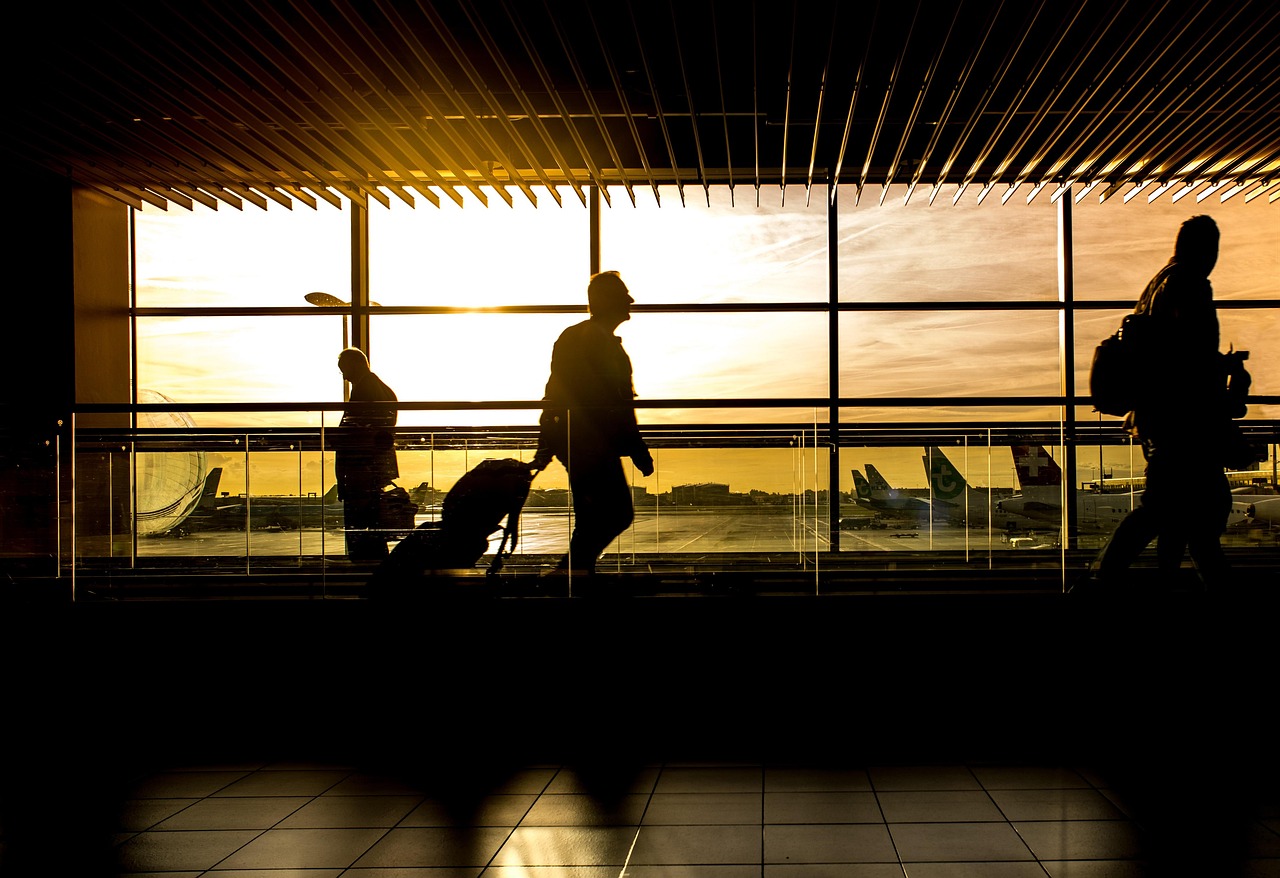
Kumamoto Airport (KMJ) has quietly become one of the most strategically useful transit points in Kyushu for Hong Kong travellers, and the reason sits directly beneath it: Mount Aso. Since the volcano’s last major eruption in October 2021, its activity has settled into a manageable, predictable rhythm, and the Japan Meteorological Agency’s Volcanic Alert Level has held steady at Level 2 (do not approach the crater) since early 2023. That status, combined with the launch of daily Cathay Pacific direct flights from HKG in 2024 and the reopening of the Aso Volcano Museum in March 2025, means a 24- to 48-hour stopover is no longer a niche pursuit — it’s the most efficient way to bag one of Japan’s most dramatic active volcanic landscapes without committing to a full Kyushu road trip. The problem is that KMJ itself is small, and the hotels within striking distance of both the airport and the volcano are a mixed bag of business inns, hot-spring ryokan, and one genuinely surprising airport-adjacent property. Here is where to sleep, what to eat, and exactly how long each transfer takes, so you can decide whether a dawn dash to the crater is worth the 5:30 AM alarm.
The Case for the Airport Hotel: KMJ’s Fukuoka Problem
Kumamoto Airport is not in Kumamoto City. It sits on a plateau in the town of Mashiki, about 40 minutes by bus from the city centre and roughly the same distance from the Aso caldera’s main access points. This location is both its weakness and its strength. If you have a tight connection or an early departure, staying near the terminal saves you the 1,700 yen bus ride into town and the 2,500 yen taxi back. But the real argument for an airport hotel is what happens at 6:00 AM when the first bus to Aso leaves from the terminal’s bus bay.
The geography of a volcano dash
From the airport bus stop, the 九州産交バス (Kyushu Sanko Bus) to Aso Station takes 50 minutes. From Aso Station, you transfer to the local bus up to the crater — another 30 minutes, assuming the road is open. The Japan Meteorological Agency’s 2025 data shows the crater access road has been closed for volcanic gas on roughly 40 days in the past year, so check the live webcam on the Aso Volcano Museum website before you commit. If the road is open, you can be standing at the rim by 7:45 AM, take your photos, and be back at the airport by 11:00 AM for a lunchtime departure. No city hotel can match that timing.
Which terminal and how to walk
KMJ has a single terminal. The main hotel option, the Kumamoto Airport Hotel, is literally connected to the terminal building via a covered walkway — 180 steps from the domestic arrivals hall exit, according to my own count. The walkway is unheated in winter and can be draughty, but it beats waiting for a shuttle. There is no train; the nearest station is on the JR Hōhi Main Line, 15 minutes away by taxi.
Hotel Options: From Business Basic to Onsen Detour
Kumamoto Airport Hotel — the default (and it’s fine)
This is the only hotel directly at the airport, and it does exactly what it needs to do. Rooms are small — 18 square metres for a standard single — but the beds are proper Simmons pocket-coil units, not the sagging mattresses you get at some Japanese business hotels. The bathrooms are the standard prefabricated plastic modules, but the water pressure is excellent and the shower gets genuinely hot within three seconds. The on-site restaurant, 空港茶寮 (Kuko Saryo), serves a respectable tonkotsu ramen (950 yen) and a breakfast buffet (1,500 yen) that includes local Takana pickles and Aso milk yoghurt. The coffee is from a vending machine — drinkable but forgettable.
Price: singles from 8,500 yen per night (approximately 450 HKD) on a weekday. For a 10:00 PM arrival and a 6:30 AM departure, this is the most efficient option by a wide margin. The front desk staff speak limited English but will write bus times on a card for you.
Aso Plaza Hotel — the onsen compromise, 15 minutes by taxi
If you want a soak after a long flight from Hong Kong, the Aso Plaza Hotel is 8 kilometres from the airport — about 2,500 yen by taxi. It is not a luxury ryokan; it is a large, slightly dated resort hotel built in the 1990s that has been maintained well but not renovated. The selling point is the natural hot spring bath on the top floor, which draws from the same volcanic aquifer that feeds the region’s more famous onsen towns. The water is slightly milky, smells faintly of sulphur, and stays at a consistent 41°C. The view from the outdoor bath faces east over the caldera, and on a clear morning you can see steam rising from the volcano’s active vent.
The rooms are 30 square metres — genuinely spacious by Japanese standards — with tatami flooring and low tables. The restaurant serves a kaiseki-style dinner (4,500 yen supplement) that includes Aso beef shabu-shabu and locally grown vegetables. The beef is good, but the cooking method is basic; do not expect Kobe-level marbling.
Price: from 12,000 yen per person with half board (approximately 630 HKD). This works best if you arrive in the afternoon and have a full evening to use the bath and eat a slow dinner.
Aso Base Backpackers — the budget play for early risers
For solo travellers who just need a bed and a shower, Aso Base Backpackers in the town of Aso itself is a 20-minute taxi from the airport (about 3,000 yen) and a five-minute walk from Aso Station. It is a converted private house with dorm beds (3,500 yen) and one private twin room (8,000 yen). The owner, a former mountaineering guide, keeps a whiteboard in the common area with the day’s crater access status and bus departure times. The kitchen is basic but usable — a two-burner induction stove, a rice cooker, and a toaster. There is no onsen, but the public bath at Aso Station (400 yen) is a 10-minute walk.
This is not a hotel for comfort. It is a hotel for efficiency. You will wake up at 5:30 AM, walk to the station, catch the first bus, and be at the crater before most people at the Aso Plaza have finished breakfast.
The Volcano Itself: What You Actually Need to Know
Crater access is not guaranteed
The Japan Meteorological Agency’s Volcanic Alert Level for Mount Aso has been at Level 2 since 2023. This means the crater area is open but restricted — you cannot approach the edge, and the access road may close at short notice if volcanic gas concentrations spike. The Aso Volcano Museum, reopened in March 2025 after a two-year renovation, has a live display of gas readings and webcam feeds. The museum itself is worth 30 minutes — it explains the 2016 Kumamoto earthquakes, which triggered a major collapse of the volcano’s edifice, and the 2021 eruption that sent ash 3,500 metres into the air.
The bus schedule is the constraint
The first bus from Aso Station to the crater departs at 8:15 AM. The last bus down is at 4:30 PM. If you miss the first bus, the next one is an hour later, and you lose the morning light that makes the caldera look like a Martian landscape. The bus fare is 1,200 yen round trip. Cash only.
What to wear
The crater rim is at 1,200 metres elevation. In winter, the temperature can be 10°C colder than at the airport. In summer, the sun is brutal — there is no shade. Wear layers, bring a hat, and carry a disposable mask for the sulphur smell. The gas is not dangerous at the current alert level, but it stings your eyes and throat if the wind shifts.
Practical Transit Details for Hong Kong Travellers
Cathay Pacific’s HKG-KMJ schedule
As of the 2025 summer schedule, CX operates daily flights from Hong Kong to Kumamoto, departing HKG at 8:15 AM and arriving at KMJ at 12:30 PM local time. The return departs KMJ at 1:30 PM and arrives HKG at 4:45 PM. This means a stopover of 23 hours if you take the first flight out and the next day’s return — exactly the window you need for a volcano dash.
Minimum connection time at KMJ
KMJ is a small airport. The check-in counter opens two hours before departure. Security takes five minutes on a quiet day and 15 minutes when a Chinese charter group is passing through. There is no Priority Pass lounge, but there is a small café in the departures area that sells Aso milk soft serve (350 yen) and decent pour-over coffee (400 yen). The free WiFi works reliably.
Transfer from the airport to Aso by rental car
If you have a Hong Kong International Driving Permit, renting a car from the KMJ rental car centre (located in a separate building a three-minute walk from the terminal) cuts the transit time to the crater to 40 minutes. The road is well-maintained but winding — the 57号線 (Route 57) climbs through forested hills before opening onto the caldera floor. A standard compact car from Times Car Rental costs about 6,000 yen for 24 hours including insurance. This is the best option if you want to visit the Kusasenri grassland (a 15-minute drive from the crater) or the Daikanbo viewpoint for sunset.
Three Actionable Takeaways
- Book the Kumamoto Airport Hotel for any arrival after 8:00 PM — the covered walkway from the terminal means you can be in bed 12 minutes after clearing customs, and the 6:30 AM bus to Aso Station departs from the same building.
- Check the Aso Volcano Museum’s live gas readings on the morning of your dash — if the sulphur dioxide concentration exceeds 2 ppm at the rim, the access road will close and you should pivot to the Kusasenri grassland hike instead.
- Bring 10,000 yen in cash — the bus to Aso Station does not accept Octopus, Suica, or any IC card, and the crater bus is cash-only, as are most of the vending machines and small restaurants in the caldera area.