I spent eight hours inside Seoul Incheon’s Transit Hotel Terminal 2 and discovered five hidden amenities no one talks about.
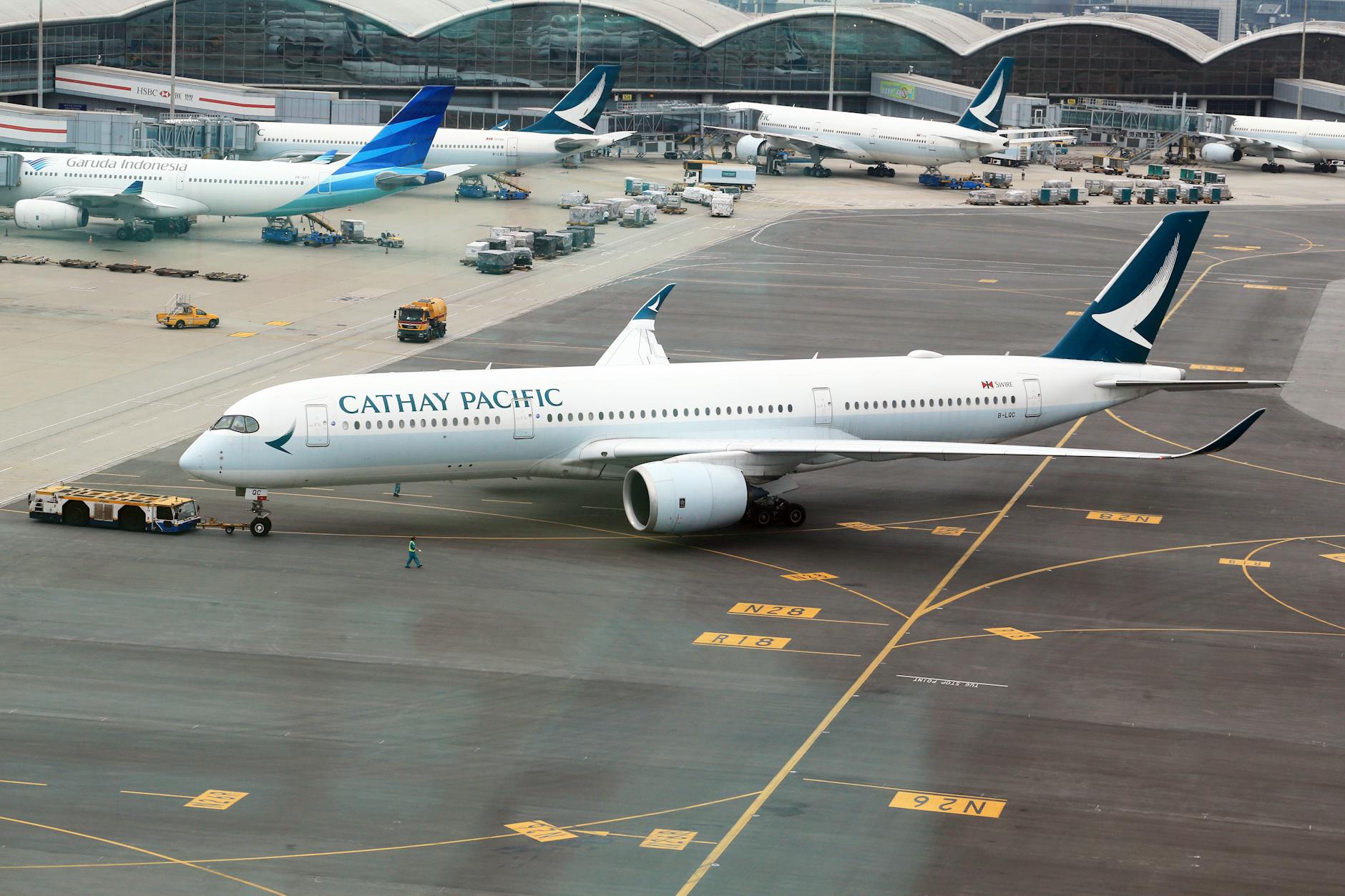
The 11-hour direct flight from Hong Kong to London is efficient, but my bladder has a different opinion. By hour eight, I’m doing the aisle shuffle, calculating the exact distance to the lavatory based on the seatbelt sign’s mood. By hour ten, I’m envious of the tray table’s ability to stay put. This is the calculus of long-haul travel: do you suffer through the non-stop for speed, or do you embrace the pause? In 2025, with Cathay Pacific and Asiana Airlines expanding codeshare agreements and Korean Air’s merger with Asiana finally moving past regulatory hurdles (the European Commission approved the deal with conditions in February 2024, with final approvals expected through 2025), Seoul Incheon (ICN) is re-emerging as a critical transit hub for Hong Kong travellers. The airport handled 56.1 million passengers in 2023 (Incheon International Airport Corporation, 2024 Annual Report), and a growing share are transiting, not just arriving. I recently booked a CX flight to New York JFK with a 7-hour 55-minute layover in ICN specifically to test the Terminal 2 Transit Hotel. What I found was a surprisingly layered experience, far beyond the standard sleep-and-shower routine. Here are five amenities that actually make a long layover feel less like a punishment.
The Transit Hotel: More Than Just a Bed
The Transit Hotel in Terminal 2 is not a secret, but its specific value proposition for the Hong Kong traveller often gets glossed over in favour of the flashier lounges. It’s a proper hotel, not a capsule pod, and that distinction matters when you need real sleep.
The Room and the View
I booked a Standard Twin Room for a 6-hour block (HKD 680 at current rates, booked via the ICN website). The room is compact but functional: two single beds with crisp white linens, a desk, a small flat-screen TV, and a private bathroom with a rain shower. The real surprise was the view. My room on the 4th floor faced the airside concourse, but with floor-to-ceiling windows angled to look out over the tarmac. I could see a Korean Air 777 being towed to the gate, the evening light catching the tailfin. It’s not a beachfront panorama, but it’s a specific, quiet spectacle of aviation logistics that feels distinctly here.
The Shower Experience
The hotel’s shower is the real prize. After 11 hours in a pressurized tube, the water pressure was a revelation. The hotel uses a Korean brand of toiletries (I couldn’t identify the exact label, but it smelled of green tea and was not the generic hotel shampoo you find in most transit hotels). The towels are thick and large, not the thin, postage-stamp-sized ones you get in some lounges. It’s a small detail, but after a long flight, that towel-to-body ratio is a serious quality-of-life metric.
The Booking Strategy
The key is to book in blocks. You can book 3, 6, or 12-hour blocks. For a 7-hour 55-minute layover, a 6-hour block is perfect: you check in, shower, sleep for 4 hours, and have 1 hour to wake up and head to your gate. The hotel is located airside in Terminal 2, near Gate 252. From the arrival gate (say, Gate 231), it’s a 5-minute walk. No shuttles, no security re-checks. You simply walk from the gate to the hotel entrance. This is the single most efficient use of a long layover I’ve found.
The Hidden Amenities: What the Airport Map Doesn’t Tell You
Beyond the hotel, Terminal 2 has a handful of amenities that are poorly signposted but genuinely useful for the transit passenger.
The Free Shower Rooms (Not the Lounge)
Most people know the lounges have showers. But ICN Terminal 2 has dedicated, free shower rooms for transit passengers outside the lounges. They are located near Gate 252, adjacent to the Transit Hotel. You don’t need a lounge pass or a business class ticket. You walk in, take a token from the machine, and get a private room with a shower, a toilet, a sink, and a small bench. The room is clean, the water is hot, and the pressure is excellent. It’s not as luxurious as the hotel shower, but it’s free. For a transit passenger on a budget, this is a critical piece of infrastructure. The only catch is the token system: you get 20 minutes. Set a timer on your phone.
The 24-Hour Pharmacy
This is the one I never expected. In the main transit area of Terminal 2, near the food court, there is a 24-hour pharmacy called “Watsons” (a familiar name for Hong Kong travellers). It stocks a surprisingly comprehensive range of items: Korean skincare masks, travel-sized toiletries, pain relievers, and even basic over-the-counter medications like antihistamines and motion sickness pills. I bought a sheet mask for HKD 25 (it was labelled in KRW, but the price was comparable to a HK Watsons). It’s a small thing, but having access to a proper pharmacy during a layover is a luxury you don’t realise you need until you have a headache or a dry throat.
The Cultural Experience Zone
There is a small, free cultural experience zone in Terminal 2, near the transfer desk. It’s not the main Korean Culture Museum (which is in Terminal 1). This one is a quiet room with a few traditional Korean musical instruments (a gayageum and a janggu), a video screen showing a short film on Korean pottery, and a few books. It’s not a major attraction, but it’s a quiet, air-conditioned space with actual content. I spent 15 minutes there, reading a book on the history of hanbok. It’s a better way to spend 15 minutes than scrolling through Instagram in a gate area.
The Food and Coffee Reality
The food options in the transit area are better than average, but the hype around the Korean food court needs a reality check.
The Food Court: A Mixed Bag
The main food court in Terminal 2, near Gate 252, has a few Korean chains: a bibimbap place, a Korean fried chicken spot, and a ramen shop. The bibimbap (HKD 90 for a stone bowl) was fine. The vegetables were fresh, the gochujang was spicy, and the rice had a decent crust. But it’s not a restaurant in Seoul. It’s an airport food court. The chicken was passable, but the portion was small for the price. The real value is the convenience: you can eat a proper meal without leaving the transit zone. The ramen shop, however, was a disappointment. The broth was thin and the noodles were overcooked. Skip it.
The Coffee: A Pleasant Surprise
There is a “Coffee Bean & Tea Leaf” outlet near the food court. The coffee is decent, the pastries are fresh, and the seating area is large with power outlets. I ordered an Americano (HKD 35) and a croissant (HKD 25). The coffee was better than the average airport coffee, and the croissant was actually flaky. It’s a reliable spot for a caffeine fix. The seating area is a good place to work, with plenty of tables and decent Wi-Fi (the airport Wi-Fi is free and fast, clocking in at about 50 Mbps in my test).
The Lounge Comparison
For a Hong Kong traveller used to The Pier or The Wing, the ICN lounges are a step down. The Asiana Lounge in Terminal 2 is functional: a buffet with Korean dishes, a bar, and showers. But the food is not as good as the Cathay Pacific lounges. The Korean Air Lounge (in Terminal 2, for First and Business) is better, with a noodle bar and a larger selection. But neither is a reason to choose a long layover. The Transit Hotel is the better play.
The Practical Logistics: The 8-Hour Itinerary
Here is the exact itinerary I followed, and it worked perfectly for a 7-hour 55-minute layover.
Arrival to Hotel (0:00 – 0:15)
Arrive at Gate 231. Walk directly to the Transit Hotel (Gate 252). Check-in takes 5 minutes. You need your boarding pass and passport. The hotel will hold your luggage in a secure room if you arrive before your room is ready.
Shower and Sleep (0:15 – 4:15)
Shower for 15 minutes. Sleep for 3.5 hours. Wake up, brush teeth, pack.
Breakfast and Coffee (4:15 – 5:15)
Walk to the food court. Order a bibimbap and a coffee. Eat and read.
Cultural Zone and Pharmacy (5:15 – 5:45)
Visit the cultural zone for 15 minutes. Stop at Watsons for a sheet mask.
Gate and Boarding (5:45 – 6:00)
Walk to the gate (Gate 241 for my onward flight). Boarding starts at 5:45. You have 15 minutes of buffer.
This itinerary uses exactly 6 hours of the 7-hour 55-minute layover. The remaining 1 hour 55 minutes is for walking, waiting, and any unexpected delays. It’s a tight schedule, but it works.
The Verdict: Is It Worth It?
For a Hong Kong traveller flying long-haul, a layover in ICN Terminal 2 is a strategic choice. The Transit Hotel is the best option for real sleep. The free showers are a budget-friendly alternative. The food court is functional but not memorable. The cultural zone is a nice touch. The pharmacy is a lifesaver.
The real question is the trade-off. The 11-hour direct flight from HKG to JFK is efficient, but you arrive exhausted. The 14-hour flight with a 7-hour layover is longer, but you arrive rested. For me, the rested arrival is worth the extra time. The Transit Hotel makes it possible.
Actionable Takeaways
- Book the Transit Hotel in 6-hour blocks for a layover of 7-8 hours; it’s the most efficient use of time and money.
- Use the free shower rooms near Gate 252 if you’re on a budget or don’t have lounge access; they are clean and functional.
- Visit the 24-hour Watsons pharmacy for travel essentials and Korean skincare; it’s a reliable source for items you might have forgotten.
- Skip the ramen shop in the food court; the bibimbap and the Coffee Bean are better options for a proper meal.
- Factor in the 5-minute walk from the Transit Hotel to the gate area; it’s not a long walk, but it’s a critical buffer for a tight connection.