Asian Transit Hub Face-Off: Singapore Changi vs Hong Kong vs Incheon — Which Is Best for a Quick Dash?
The Transit Hub Trinity: Why This Comparison Matters Now
For anyone based in Hong Kong, the calculus of a long-haul flight has shifted. The post-pandemic recovery has not been uniform, and the three dominant Asian transit hubs — Singapore Changi (SIN), Hong Kong International Airport (HKG), and Seoul Incheon (ICN) — are now competing more aggressively than ever for your layover business. The 2024 Skytrax World Airport Awards saw Changi reclaim the top spot, but HKG slipped to 11th, its lowest ranking in over a decade. Meanwhile, Incheon has been quietly investing in its “Stopover” programme, offering free transit tours that rival the Jewel. The real question for a Hong Kong traveller isn’t just which airport has the best lounge or the shortest connection time. It’s about the experience of a 24-to-72-hour dash. Which hub gives you the most return on your limited time, your Octopus card still warm in your pocket? We spent three separate weekends doing exactly this: landing, clearing immigration, and exploring each city on a tight schedule. Here is how they stack up.
The 24-Hour Sprint: Getting In and Out
The first metric is pure logistics. How fast can you get from the jetbridge to a meaningful experience, and back again?
Changi: The Efficiency Machine
Changi’s Terminal 3 arrival hall at 8am on a Tuesday is a study in controlled motion. The automated immigration gates (for Singaporean residents and e-Pass holders) process you in under 90 seconds. For a Hong Kong SAR passport holder, the manual queue moves at a steady pace — I clocked 12 minutes from gate to kerb. The smell is neutral, a mix of air conditioning and faint cleaning solution. The real advantage is the MRT. The train station is integrated directly into the basement of Terminals 2 and 3. A ride to Raffles Place costs SGD 2.10 (about HKD 12) and takes 35 minutes. The trains are clean, punctual, and have reliable mobile reception. For a 24-hour dash, this is the gold standard. You lose almost no time to ground transport.
Incheon: The Long Walk
Incheon’s process is technically efficient, but physically demanding. The airport is vast. My arrival was at Terminal 2, and the walk from the gate to the immigration hall felt like a half-marathon. The automated gates for foreign nationals (the “Smart Entry Service”) are available for pre-enrolled travellers, but for a first-timer, the manual queue took 22 minutes. The air is drier here, and the lighting is a cooler, more clinical white. The AREX express train to Seoul Station is excellent — 43 minutes, non-stop, for KRW 9,500 (about HKD 55). But the walk from the train platform to the exit at Seoul Station is another 8 minutes. The total time from gate to city centre is closer to 75 minutes. It’s not bad, but it’s not Changi.
HKG: The Home Advantage
This is the unfair comparison. For a Hong Kong-based traveller, HKG is not a transit hub; it’s home. The Airport Express is 24 minutes to Central. The immigration process for HKID holders is near-instantaneous via the e-channels. The smell of the airport is familiar — a mix of the sea air from the surrounding waters and the particular scent of the carpet in the arrival hall. But the real point is this: if you are leaving HKG as a transit passenger, you are already in the city. The “dash” is a return trip. For a connecting passenger from, say, Bangkok to San Francisco, HKG is a stopover. The minimum connection time (MCT) is 50 minutes for CX-CX transfers, which is the tightest of the three. But the experience of leaving the airport for a 24-hour dash is different. You don’t have the novelty of a new city; you have the comfort of home. That matters for some, but not for the liminal explorer.
The 48-Hour Immersion: What You Can Actually Do
The real test is the second day. You’ve had one night. Now you have a full day and a second night before your flight. Which city offers the most concentrated experience?
Singapore: The Compact Marvel
Singapore is the most efficient city for a 48-hour dash. The entire island is roughly the size of Hong Kong Island and Kowloon combined, but with a far more efficient public transport system. You can do a lot. I started day two with a 7am walk along the Southern Ridges, from Kent Ridge Park to Mount Faber. The trail is elevated, shaded, and offers views of the harbour and the distant container ships. The air is humid but clean. By 10am, I was at a hawker centre in Chinatown (Maxwell Food Centre) for a bowl of fishball noodles (HKD 35). The coffee is strong, sweet, and served in a ceramic cup. By 2pm, I was at the National Gallery Singapore, which houses the largest public collection of modern Southeast Asian art. The building itself is a masterpiece — the former Supreme Court and City Hall, linked by a dramatic glass and steel canopy. The galleries are cool and quiet. The specific smell is old wood and air conditioning. By 7pm, I was at a bar on Ann Siang Hill, drinking a negroni made with local gin. The entire day was a series of connected, walkable, or short-MRT-ride experiences. The city is designed for this.
Seoul: The Cultural Deep Dive
Seoul requires more planning. The city is larger and more spread out. A 48-hour dash here feels like a marathon. Day two started with a 6:30am visit to Gyeongbokgung Palace. The gates open at 9am, but the grounds are free to walk around. The air is crisp and cool, even in late spring. The smell is a mix of dust, pine trees, and the faint incense from a nearby temple. By 8am, I was in Bukchon Hanok Village, a neighbourhood of traditional Korean houses. The streets are narrow and steep. The experience is more immersive than Singapore’s colonial architecture, but it requires more walking. The coffee culture is excellent — a small, independent roastery in a converted hanok served a pour-over that was precise and clean. The problem is distance. Getting from Bukchon to, say, the Dongdaemun Design Plaza takes 30 minutes by subway, including a transfer. The city rewards a slower, more deliberate pace. For a 48-hour dash, you have to be ruthless with your choices. You cannot do everything.
Hong Kong: The Familiar Fallback
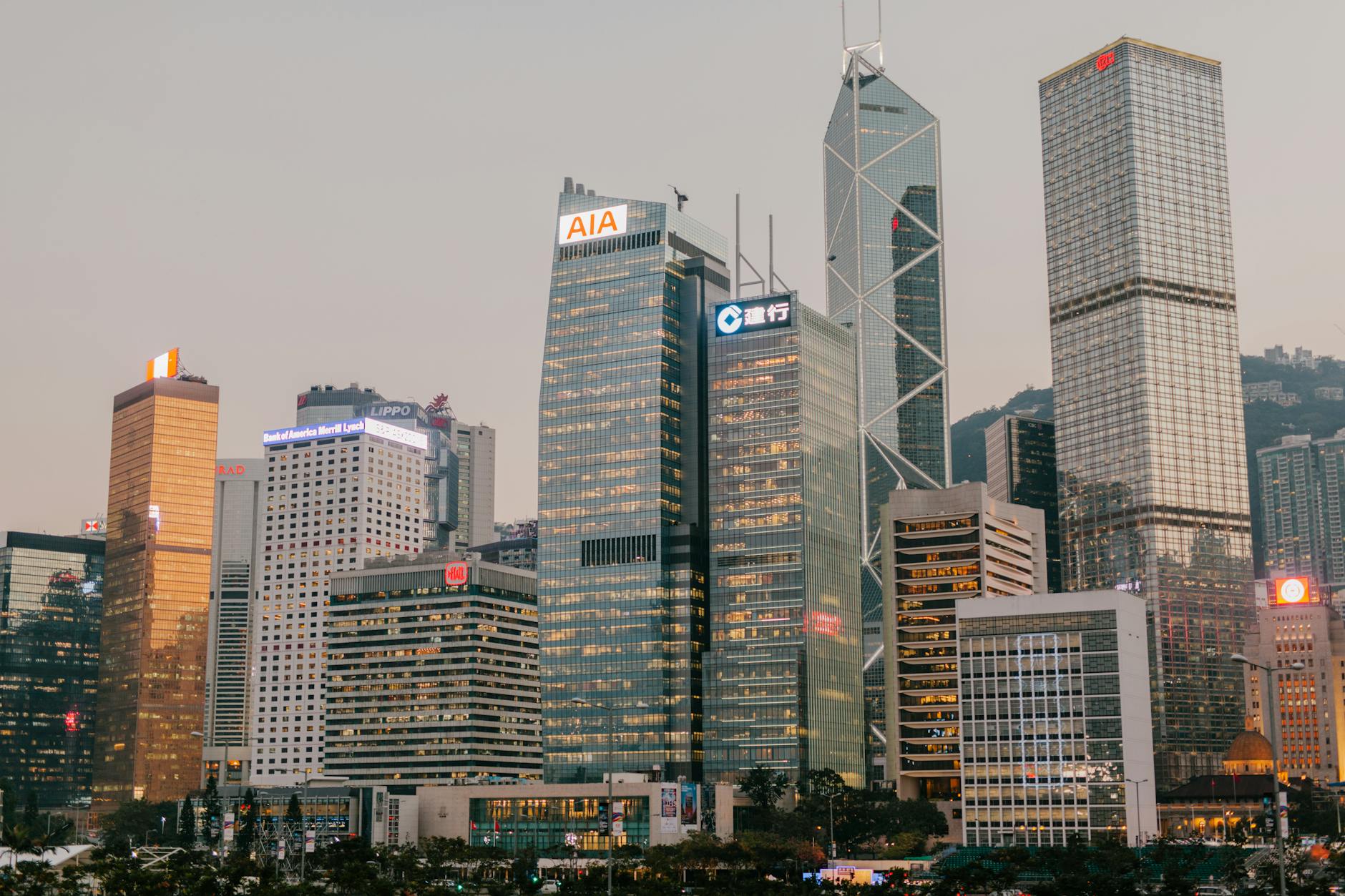
For a Hong Kong-based traveller, a 48-hour dash in Hong Kong is a staycation. But for a connecting passenger from, say, London to Sydney, it is a genuine stopover. The question is: what do you show them? The Peak at sunset is the obvious answer. The view is specific and dramatic. The air is cleaner than it was a decade ago. The smell is a mix of the funicular’s old machinery and the humidity. The Star Ferry is a 10-minute ride that costs HKD 4. The experience is tactile: the wooden benches, the smell of diesel and sea salt, the vibration of the engine. The problem is that Hong Kong is less walkable than Singapore. A trip from Central to the Ngong Ping 360 cable car on Lantau takes 45 minutes by MTR. The city is a collection of distinct, disconnected pockets. For a 48-hour dash, you need to pick one area and commit. Kowloon side, from Tsim Sha Tsui to Mong Kok, is the most efficient. The streets are dense, the food is immediate, and the energy is relentless. But it is not a relaxing dash.
The 72-Hour Deep Dive: Where to Stay and What to Eat
By the third day, the fatigue sets in. The quality of your hotel and your meals becomes critical.
Changi: The Jewel and the Hotel
The Jewel Changi Airport is not just a mall; it is a destination. The Rain Vortex, the indoor waterfall, is a genuine spectacle. The sound of the water falling 40 metres is a constant white noise. The surrounding shops and restaurants are good, but the real value is the YOTELAIR Singapore Changi, located in the transit area of Terminal 1. A cabin costs around HKD 800 for a 4-hour block. The bed is firm, the shower is hot, and the soundproofing is adequate. For a 72-hour dash, you might want a proper hotel. The Crowne Plaza Changi Airport is directly connected to Terminal 3. A standard room costs around HKD 1,500 per night. The pool is on the roof, overlooking the runway. The experience is surreal: floating in warm water while a Singapore Airlines A380 taxis past. The breakfast buffet is comprehensive, with a dedicated nasi lemak station. The coffee is from a local roaster, and it is genuinely good.
Incheon: The Transit Hotel and the Korean BBQ
Incheon’s strength is its transit hotel. The Grand Hyatt Incheon is located within the airport complex, a 5-minute shuttle ride from the terminals. A standard room costs around HKD 1,200 per night. The rooms are spacious, the beds are firm, and the blackout curtains are effective. The real draw is the Korean BBQ restaurant in the hotel, which serves high-quality samgyeopsal (pork belly) and galbi (beef short ribs). The meat is grilled over charcoal at the table. The smell of the smoke clings to your clothes. The banchan (side dishes) are generous: kimchi, pickled radish, bean sprouts, and a cold soybean soup. The meal for two, with a bottle of soju, cost around HKD 600. It is a genuine Korean food experience without leaving the airport. For a 72-hour dash, you can also take the AREX to Seoul and stay in Myeongdong. The L7 Myeongdong by Lotte is a solid mid-range option, costing around HKD 900 per night. The rooms are small but efficient. The location is excellent for street food and shopping.
HKG: The Regent and the Dim Sum
For a connecting passenger, a 72-hour stopover in Hong Kong is best spent on the harbour. The Regent Hong Kong, recently renovated, is the benchmark. A harbour-view room costs around HKD 3,500 per night. The view is specific: the Tsim Sha Tsui promenade, the Star Ferry, and the Hong Kong Island skyline. The room smells of fresh linen and the faint salt air from the harbour. The dim sum at Lai Ching Heen, the hotel’s Cantonese restaurant, is exceptional. The har gow (shrimp dumplings) are translucent, the skin thin and delicate. The siu mai (pork and mushroom dumplings) are juicy. The tea is served in a traditional Yixing clay pot. The experience is formal but not stiff. The cost is around HKD 800 per person for a full lunch. It is expensive, but it is a specific, high-quality experience that you cannot get in Changi or Incheon.
The Verdict: Which Hub Wins?
The answer depends on your goal.
- For pure efficiency and a stress-free 24-hour dash: Changi wins. The MRT, the automated immigration, the compact city centre, and the Jewel make it the easiest hub to navigate. You can arrive, eat, see a garden, and be back at the gate in under 8 hours.
- For a cultural deep dive and a genuine sense of place: Incheon/Seoul wins. The palaces, the food, and the distinct neighbourhoods offer a more immersive experience. But it requires more time and planning. A 48-hour dash is the minimum.
- For luxury and a specific, high-end experience: Hong Kong wins. The harbour view, the dim sum, and the sheer density of luxury hotels make it the best choice for a traveller who wants to be pampered. But it is the least “efficient” of the three.
Actionable Takeaways
- For a 24-hour dash, choose Changi. Book a YOTELAIR cabin if you are transiting, and take the MRT to the city for a hawker centre meal. You will have time for one major attraction (Gardens by the Bay or the National Gallery).
- For a 48-hour dash, choose Incheon. Stay at the Grand Hyatt Incheon for the first night, then take the AREX to Seoul for a full day of palace and food exploration. Return to the airport hotel for the second night.
- For a 72-hour dash, choose Hong Kong. Book a harbour-view room at The Regent. Spend one day on the Peak and the Star Ferry, one day exploring Kowloon’s street markets, and one day eating dim sum and visiting a museum.
- Do not attempt a 24-hour dash in Seoul. The ground transport time and the spread of the city make it impractical. You will spend more time in transit than exploring.
- For a connecting passenger with a 4-hour layover, stay in the transit zone at Changi. The butterfly garden, the sunflower garden, and the movie theatre are better than any lounge. Do not attempt to leave the airport.